
CAPTION:
This New Paltz Paltzonian Year Book of 1928 captures the essence of the New Paltz Normal School and its culture at this time.
DESCRIPTION:
This black, hardbound book is around 8.5in by 11in. It is a little scuffed up and tattered around the edges, and has a gold colored symbol embossed on the cover that is worn with age. This symbol features and armored plate with a seascape in the background, presumably the shores settlers reached on their journey to what is now New Paltz. There is a hawk at the top, the colleges mascot, and two female figures on each side. The women are stylized with Greco-Roman influence and are draped in flowing robes. One of these figures is holding a balance scale, while the other is holding a staph.
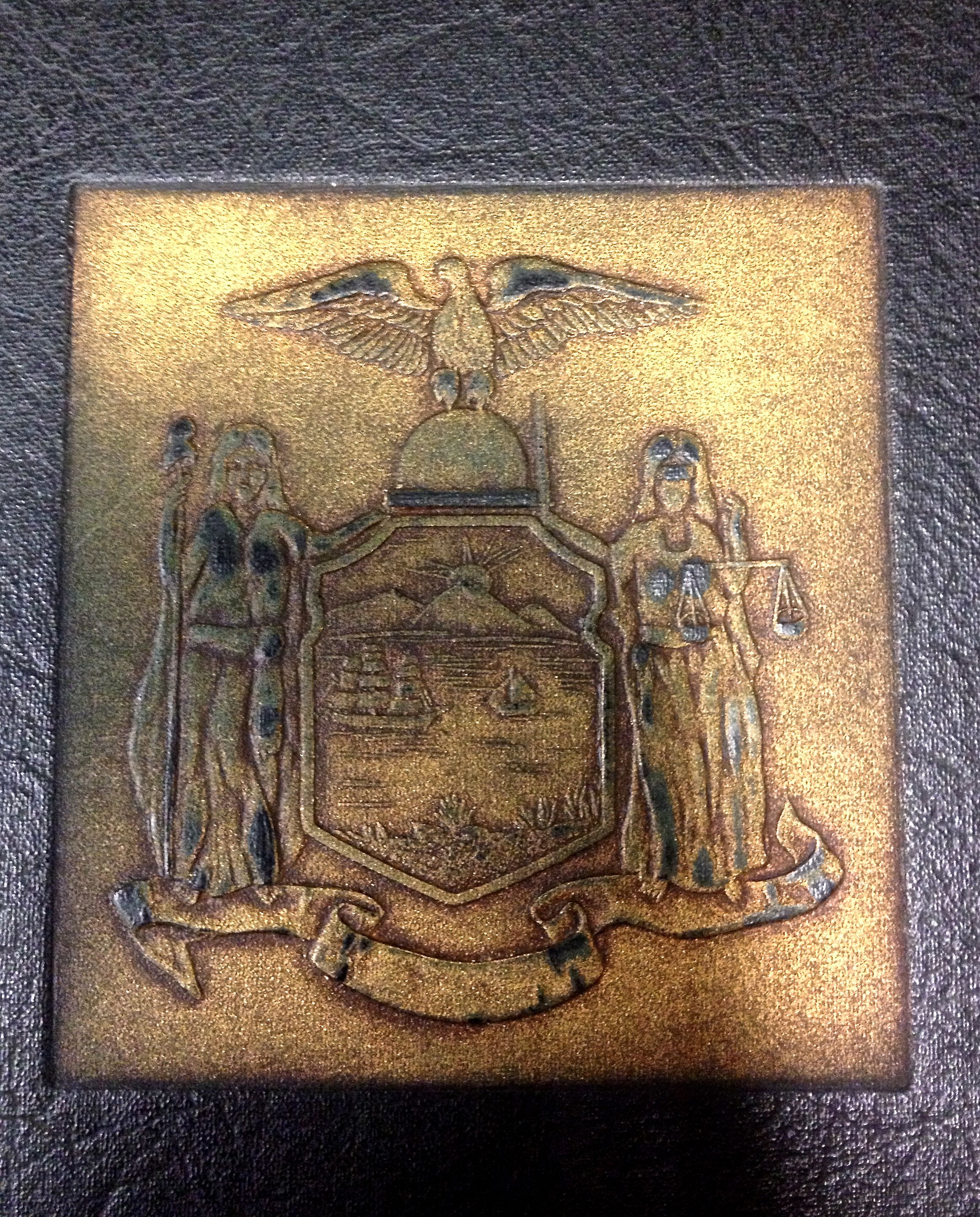
The inside of the book is detailed with 200 pages, which include a variety of content, such as numerous pictures students took around New Paltz, details of teachers and students, organizations, sororities, clubs, a literary section, sports, humor, pictures, advertisements, and contributions.
PROVENANCE:
This object was created in 1928 by the local board of the New Paltz Normal School and was saved here at New Paltz up until present day. Now it remains in the New Paltz special collections at the Sojourner Truth library.
DATE(S):
1928
NARRATIVE:
As I flipped through the dusty pages of the Paltzonian, I was taken back in time to New Paltz in 1928 at the Normal School. Being that it is a Normal School, the subjects primarily had to do with training students in education. I turned the pages and came across a list of all of the students here, the senior grade had pictures and suddenly the popular hair style for girls was dark, wavy hair cropped close to the head

This book is dedicated to Edgar V Beebe, an obviously significant man to New Paltz at this time, as his picture takes up an entire page, making it the biggest picture of a person in the yearbook. Beebe had a doctorate in psychology and was a teacher at the Normal School who had done civil service.
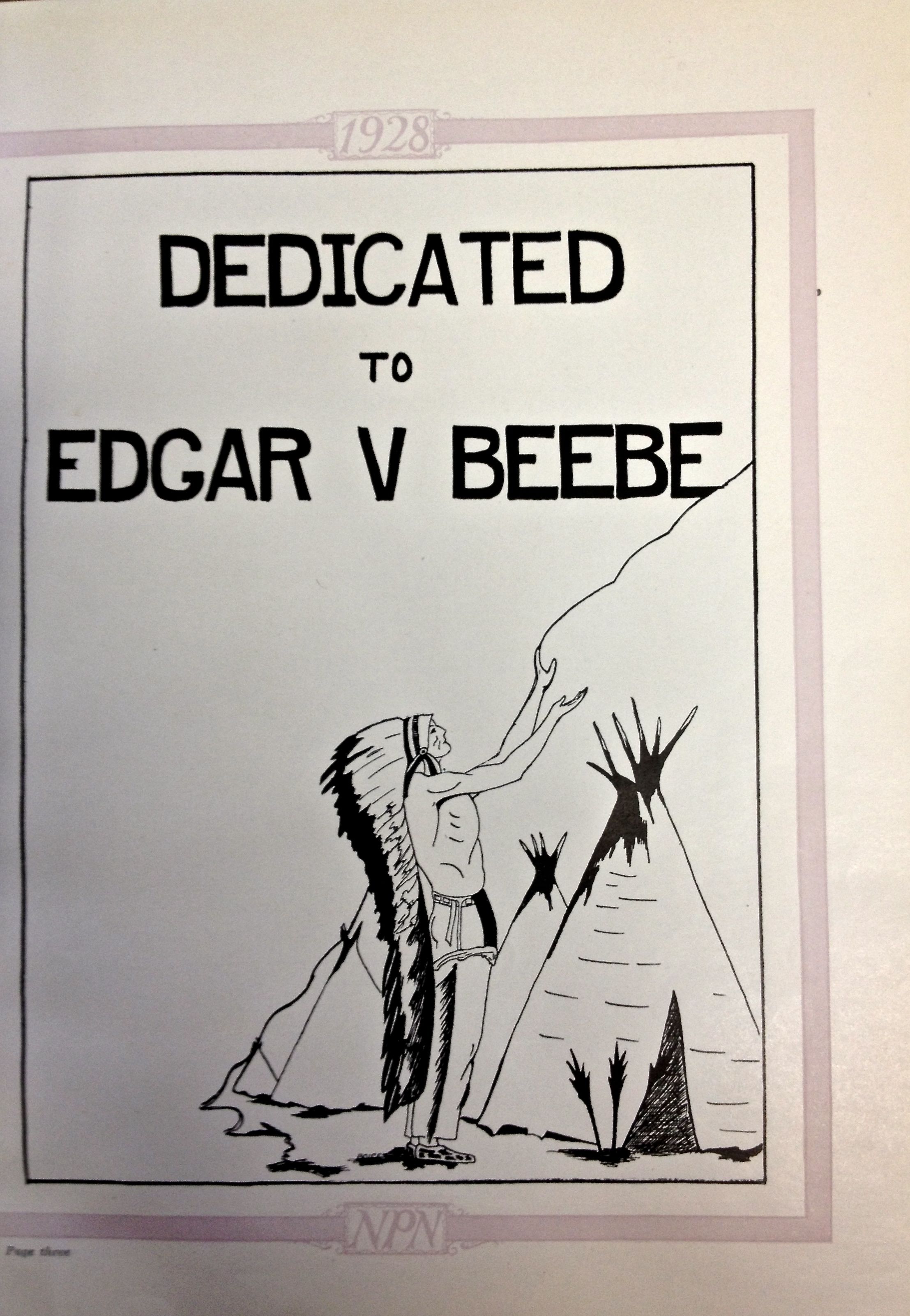

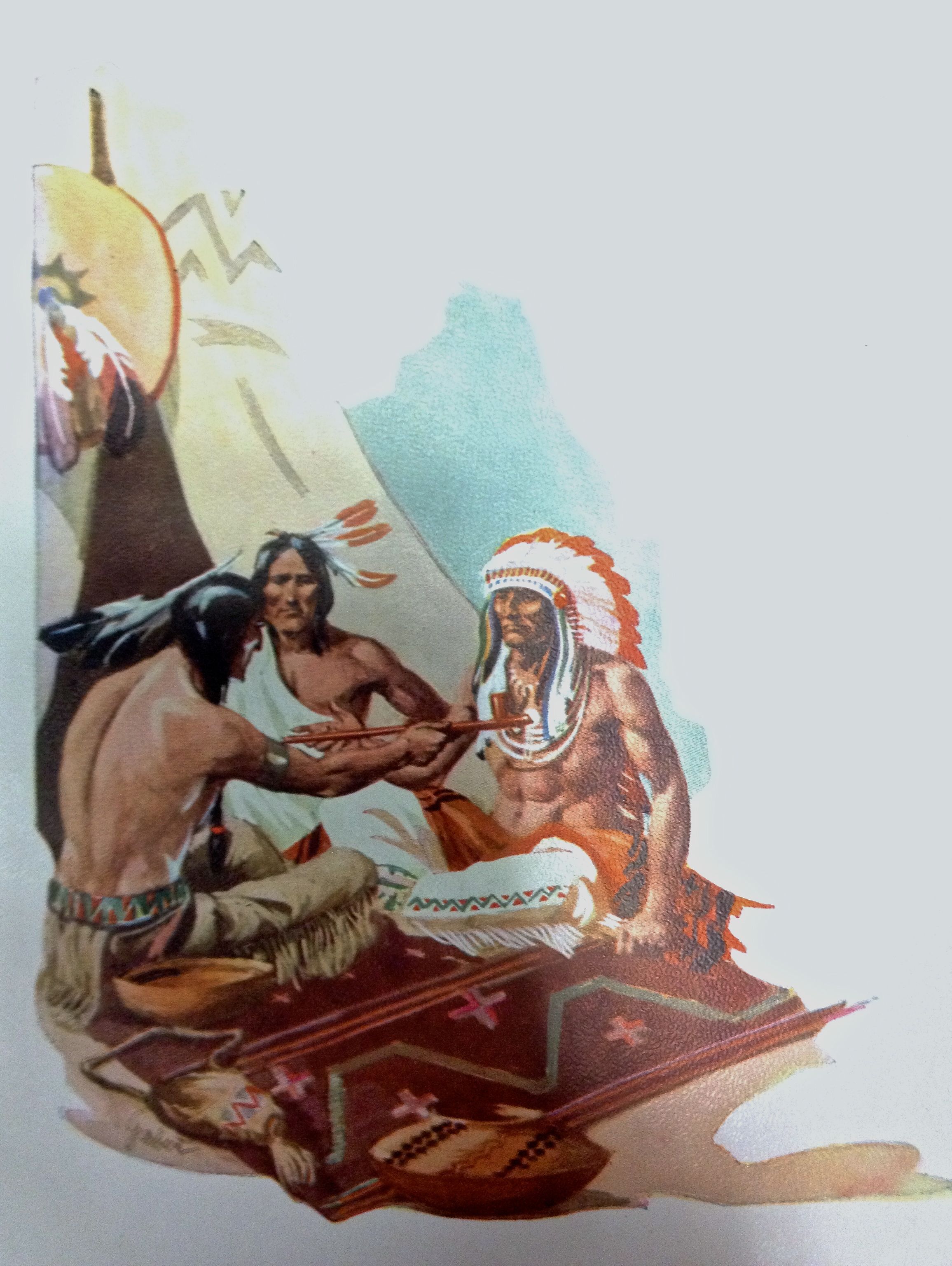
I was immediately surprised by the Native American theme throughout this book, as the settler’s taking over the Munsee Indian’s land and bringing about massacres and disease only a number of years ago should be a source of shame to me, not a source of entertainment to be taken lightly. However, as propaganda and misleading history is evident all throughout the world, this was not unfitting.

Several clubs, organizations, and Greek life was noted throughout the book, and the Kappa Pi Honorary Art Fraternity is highly likely to be responsible for creating this Asian-themed party with a giant homemade Buddha statue, as depicted in the pictures. However, the exact year this was done remains unknown, as the only record on the back of the photos is the word “Meyer”, presumably a last name.

There were several literary sections and poems featured throughout the book, and it is apparent that SUNY New Paltz has very artistic roots, even back in the early 1900s.
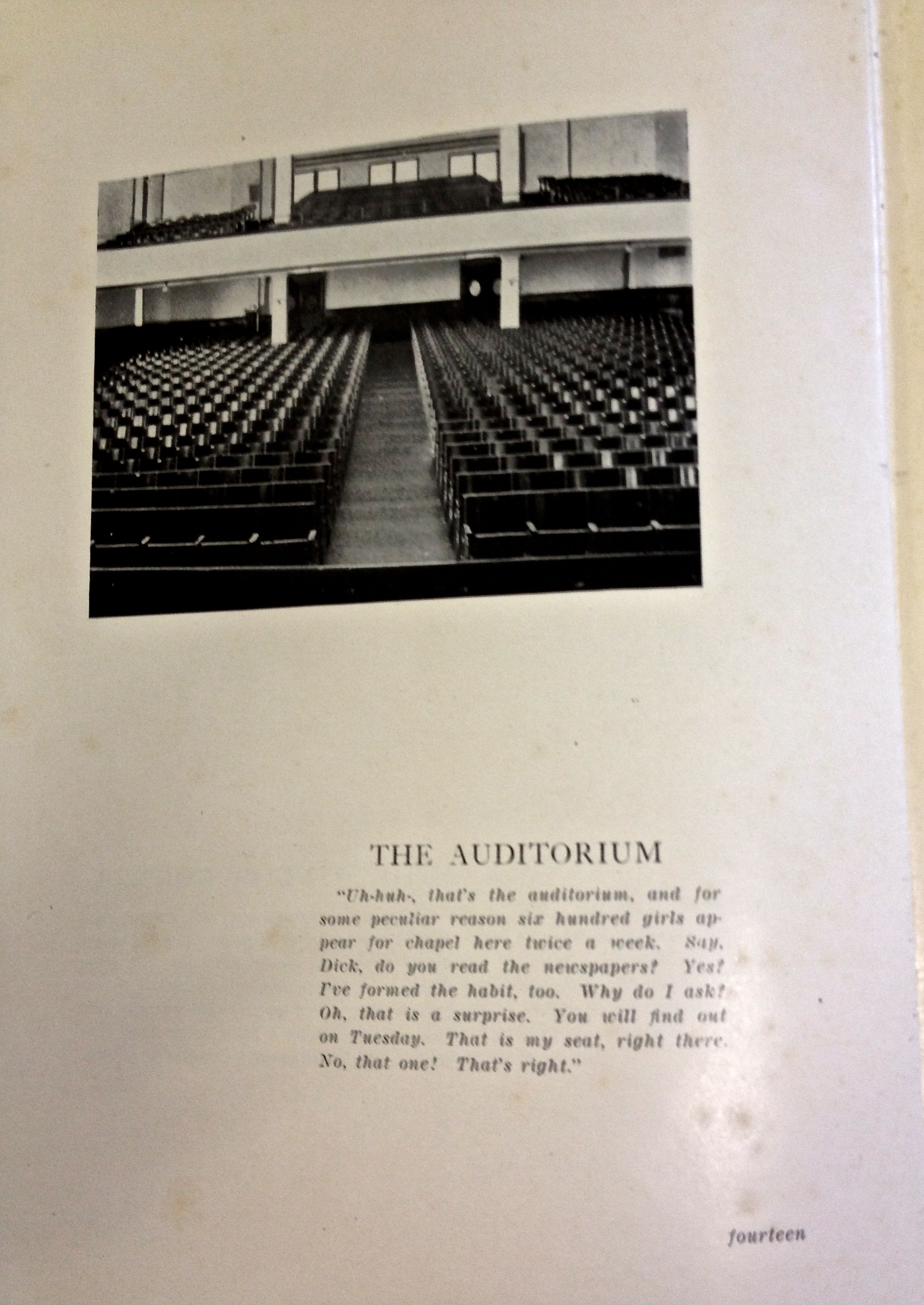
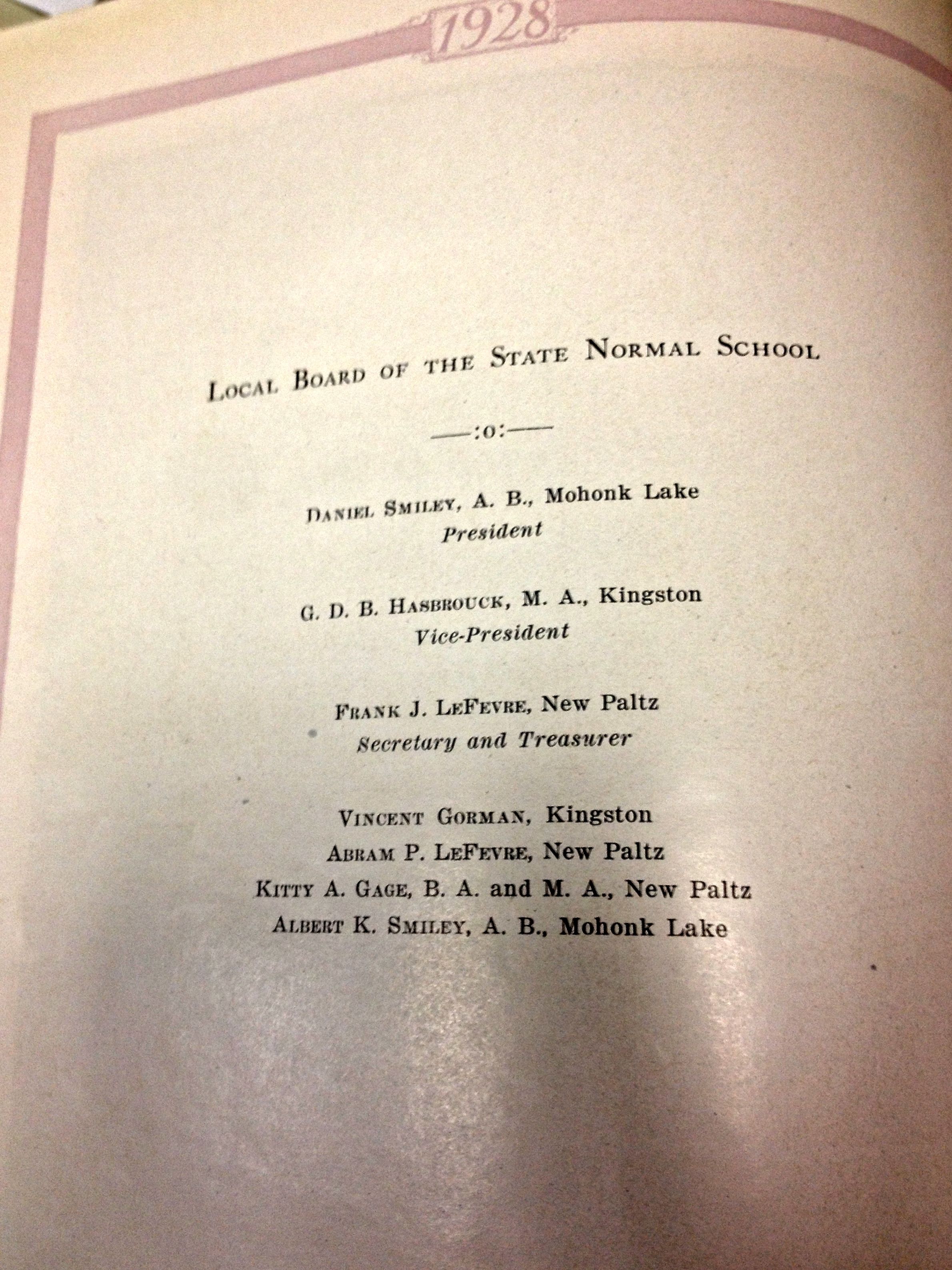
One of the last pages in the book features contributors and the local board of the school, some of whose last names reference our founding families and consequently reoccurring names on our streets and buildings in the present day, namely: Smiley, Hasbrouck, LeFevre, and Gage.
RESOURCES: to be updated soon! I need to find more resources on the New Paltz normal school at this time (and have several websites with school records to look into).
-Paltzonian 1928
-Buddha party pictures
-http://fultonhistory.com/newspaper%2010/Kingston%20NY%20Daily%20Freeman/Kingston%20NY%20Daily%20Freeman%201942%20Grayscale/Kingston%20NY%20Daily%20Freeman%201942%20Grayscale%20-%200138.pdf
 The Materials of History, Thought, and Art
You must be logged in to post a comment.