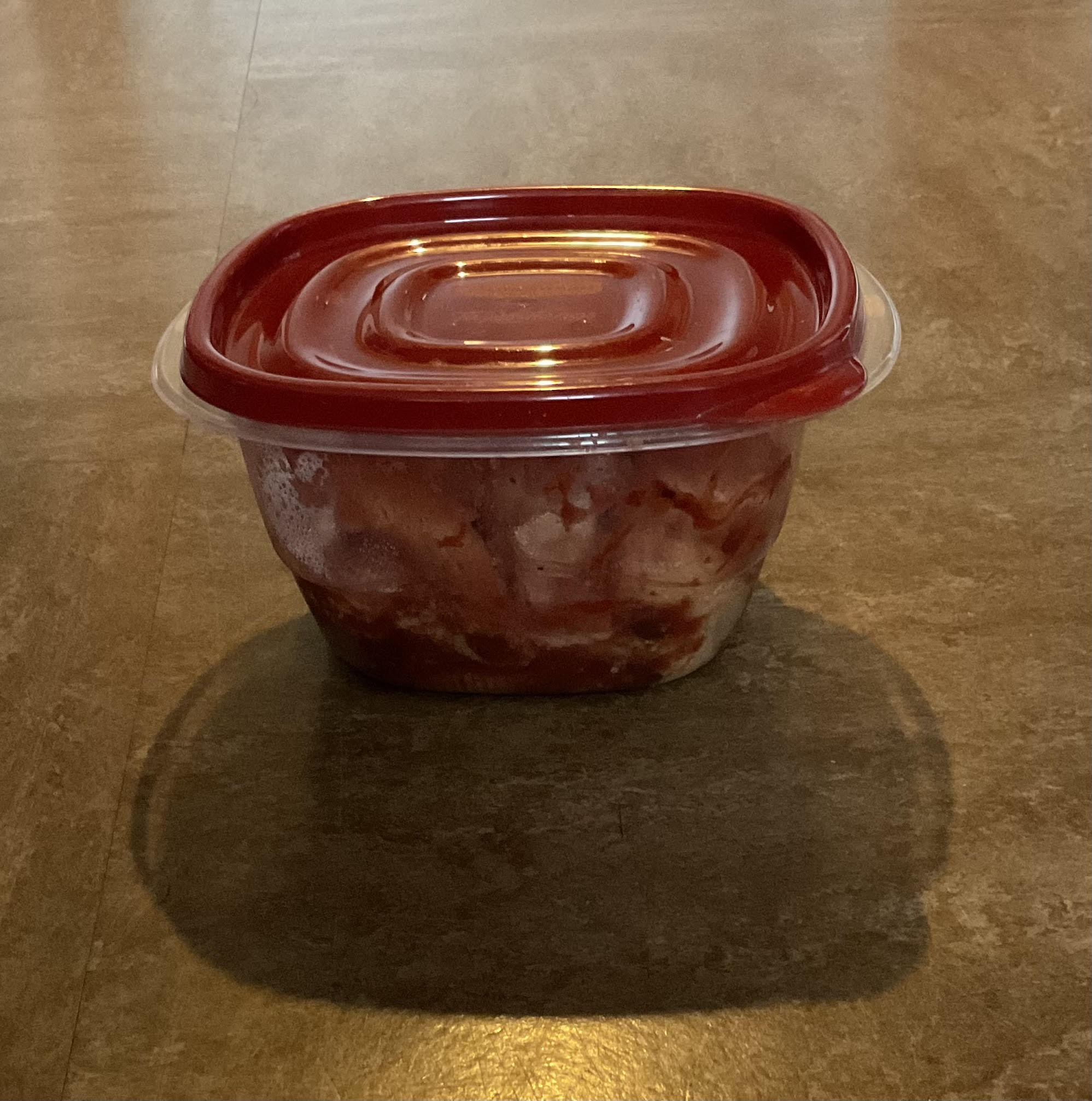
A container of stuffed pasta shells seemed a bit like an obscure choice even to me, but it breaks down well. Starting off one step back up the supply chain, my best friend, Gabby, made this meal for me while I was at home because we always talk about cooking for each other. She is Italian-American, and so the recipe she uses comes from her grandmother from Italy, to whom she credits many of her skills and recipes. To split the object into different components, I thought about the pasta itself, the cheese, the sauce, and the container she gave it to me in.
As for the pasta, she tends to buy things from the grocery store she works at locally, Hannaford’s, and the company she usually purchases from and prefers is Prince, although she had to buy Borilla this time with she says herself was “very saddening.” The sauce is completely made by her save for growing the tomatoes, which she bought from the company named Tuttoroso. She spices the sauce and makes it on the stove herself, giving it a full day to cook with the utmost care.
The cheese is Galbani ricotta cheese in a 32-ounce container and the same brand of mozzarella in their pound-size brick. Locatelli pecorino is added from a block of around 8 ounces, 4 of which are used each time. Both the mozzarella and pecorino are hand shredded, the mozzarella with a handheld grater and the pecorino with a cheese mill from her grandmother herself.
The container is a plastic to-go container, manufactured by Rubbermaid in their TakeAlongs line. The container itself is made of transparent, mostly inflexible plastic, and the cover is a deep, vibrant red made of opaque plastic. The container tapers slightly towards the base but the overall shape is square with the corners being rounded for easy cleaning. On either side of the container, the transparent plastic extends past the seal of the lid in order to provide a safe place to hold after heating. This particular container size is marketed as their 5.3 cup size, despite its capacity being listed as 5.2 cups. The dimensions listed on the Rubbermaid website for the medium square size container are ‘6.372 by 6.982 by 4.125’ and by itself weighs .32 pounds.
While Rubbermaid produces some 80% of their products domestically, food-grade containers with pull-off lids are not produced in the US, and are manufactured elsewhere, though Wikipedia says the opposite. It is not disclosed specifically where the TakeAlongs are made, but some say China.
All in all the products themselves have to travel far, but the already-made dish was placed right into my hands by my caring friend who loves to see me well-fed and taken care of.
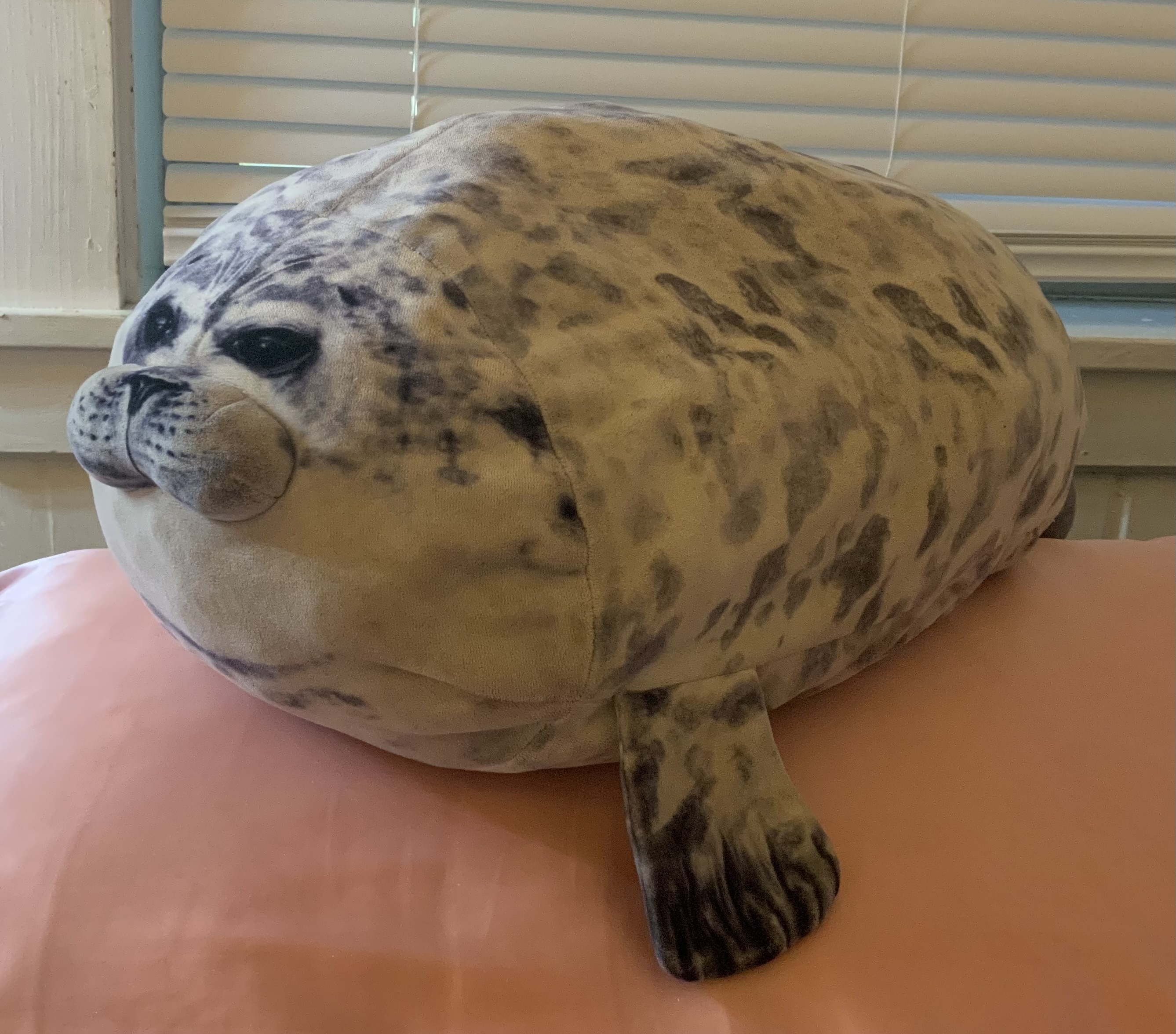
The object I decided to look into the making of is my beloved stuffed seal, Sealie. I received Sealie from my mom at the very beginning of Covid in 2020, after she saw him on Amazon and thought I’d enjoy his silly design. He quickly became my close companion during quarantine, coming to and from the couch and my bedroom with me, and even accompanying me in the backyard when I’d venture outside. During a difficult time, he was a comforting presence.
Sealie
While attempting to begin my research about Sealie, I realized that it may be harder than I first thought to narrow down exactly where he came from, considering he has no tag. Also, his design is incredibly mass produced amongst many vendors. The first thing I noticed when searching him up on Amazon was the various different brands and vendors that sell him. How could I know which one he was specifically from? Well, I couldn’t. However, the majority of vendors have his materials listed as a cotton and polyester mix on the inside and outside. As well as this, and most importantly, almost all of his producers are from China.
80% of China’s cotton is supplied by the Xinjiang region in northwest China. The cotton is typically planted from April to June, and harvested from September through December (Cotton Outlook). The Xinjiang cotton industry has had many allegations against their production methods, with claims of forced labor and other human rights violations. This caused many United States companies, such as H&M and Converse, to pull back from importing their cotton from the Xinjiang region (Asia Media Centre). However, this cotton is most likely the type that is found in many finished products the U.S. receives from China, such as my seal plush. Now, let’s take a look at polyester. China has been using coal to make polyester fiber, as a fairly new way of production. Coal is abundant in China, and with advancing technology it has become an increasing means of producing chemical and synthetic materials (C&EN). Processing of polyester is mostly done in Zhejiang and Jiangsu. The mass production of polyester in these regions contributes to China’s place as the largest polyester producing country in the world (Fibre2Fashion).
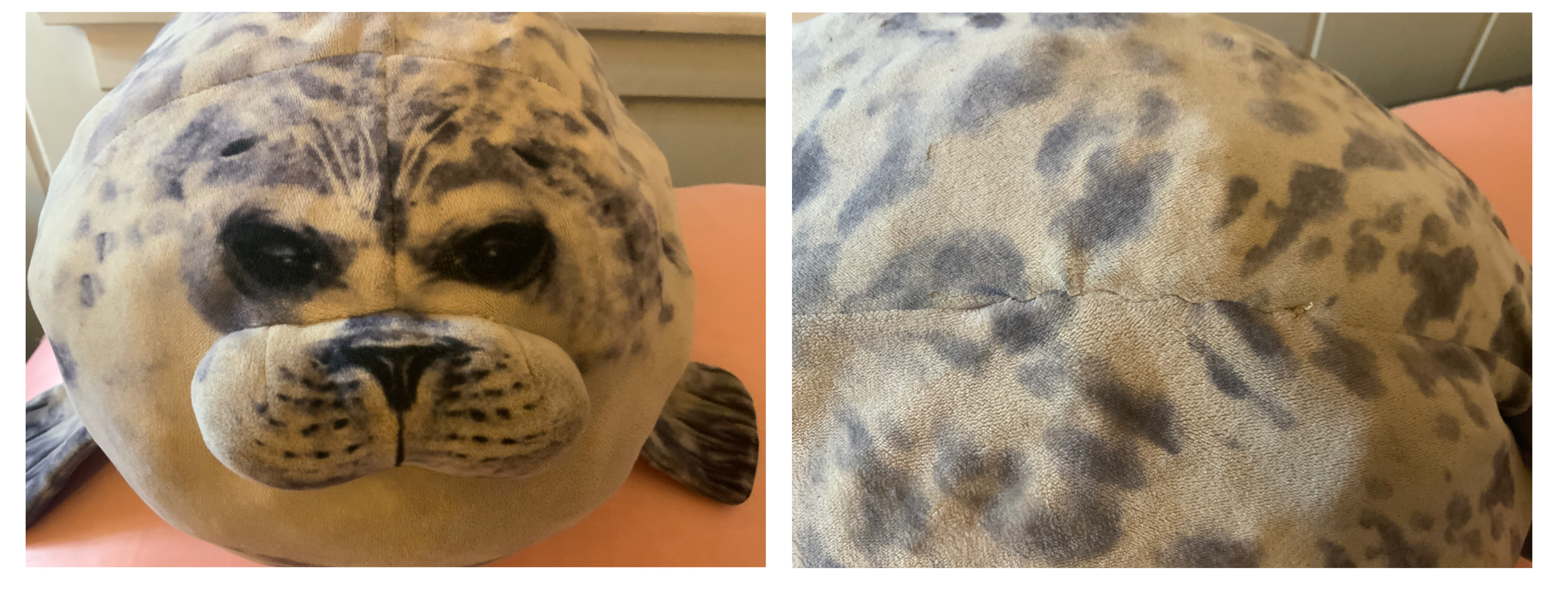
After figuring out where Sealie’s materials most likely came from, I started to look into the technical aspects of mass producing stuffed animals specifically. After Sealie’s birth place (or factory) had received the polyester and cotton materials needed to make him, such as his stuffing and outer fabric, the first step would be cutting the fabric into the seal shape. There are many ways factories could cut fabric, but Sealie’s fabric was most likely cut by a fabric roll cutting machine. It’s possible that his factory also had individuals cutting the fabric manually, but it’s unlikely considering the fabrics thin quality, which would make it easy to cut by machine, and because this specific plush design is common and popular. Then, the pattern needed for Sealie would be printed onto the fabric. Sealie’s print is evidently digitally printed, shown by the grainy image that are his eyes and snout. After printing, the fabric is sewn together by individuals using sewing machines, leaving a small opening which is then used to put the stuffing into the “skin”. Finally, the small opening is hand sewn together (Maple Eye Toys). On Sealie, you can actually see exactly where he was hand sewn, because one of his seams has a section that isn’t as linear as the others.
Sealie’s digitally printed face and hand sewn seem
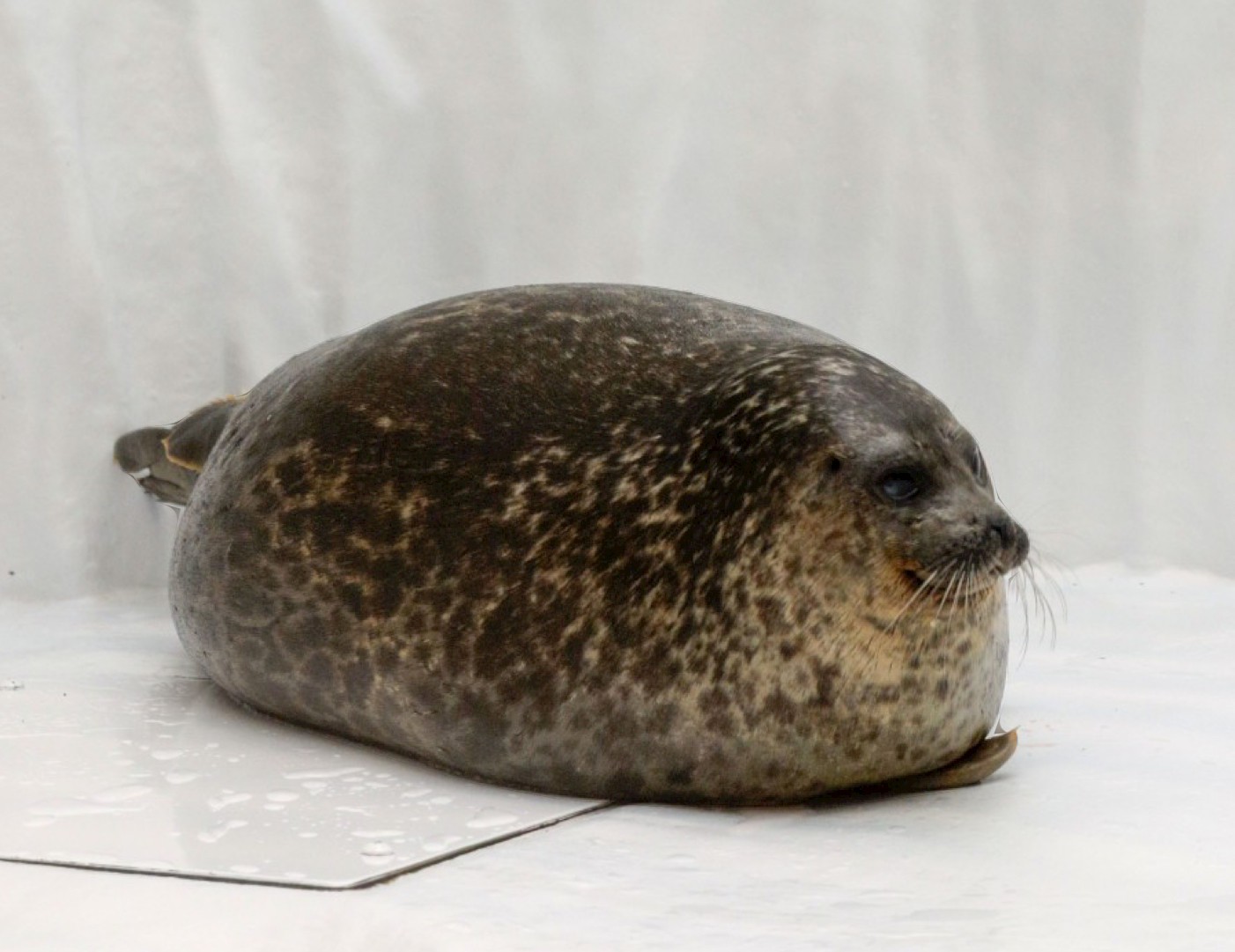
One step of Sealie’s making that I haven’t mentioned was how he was designed. In the process of researching, I learned that Sealie and another popular white seal plush usually sold alongside Sealie are actually based on real seals located in the aquarium of Osaka, Japan. Sealie’s design is based on Yuki the harbor seal, and the other seal is based on a white ringed seal named Arale. This process of research has taught me a lot about the stuffed animal I hold so close to me, and this bit of information is the most heartwarming for sure.
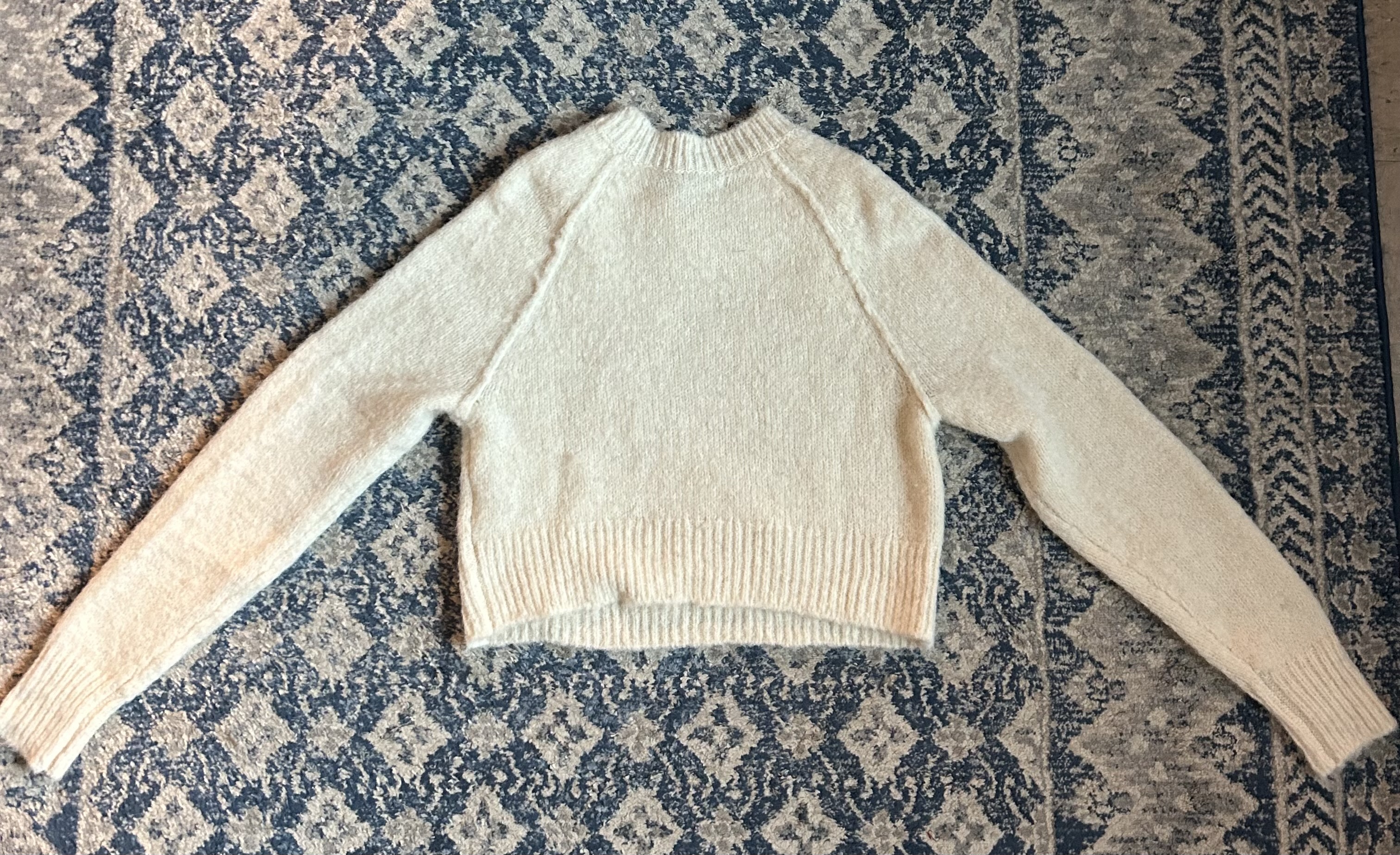
As our fall season has come upon us, it was time for another shopping trip for clothing. Just last week I visited the Poughkeepsie Galleria to gain new cozy and comfortable outerwear in anticipation for the cold weather. One of my favorite stores to visit is American Eagle. Luckily for me as I walked by the store, my eye caught their new fall collection. As I entered the store, I had the idea of wanting new sweaters. Not that I don’t already have twenty in my closet, but as a consumer I want to own what the latest fashion is. I would say I was quite satisfied with the assortment considering I walked out with four new items of clothing, one being this sweater. As I felt through the material of each item as I walked by, this sweaters texture felt as if it would keep me warm on a snowy day. Even though I would have to wait to wear this sweater until December, given that it is 70 degrees in October, I felt joy in purchasing it. I find comfort in what I wear and how it represents my personality to others. As I have grown older, being able to express myself in clothing makes me feel good about myself.
This sweater, soft at the touch, was made with 74% polyester and 26% nylon. It is a cream soft sweater knit with ribbed cuffs, neckline, and hem. The 3D bow detail, my favorite of the sweater, was sewn onto the fabric. From the neckline to the base, it measures 18 ½ inches long and 16 ½ inches wide and each sleeve measures 31 inches long and 5 ½ inches wide. As I was looking on the American Eagle website to gather more product information, the product details said that the item has a “Real Good” badge. On the website it says, “Products with the Real Good badge are the most sustainable items in our collection.” American Eagles goal is to make their clothing with an inclusive dedication to decrease the environmental impact of their products. It also expresses on the website that “this includes incorporating more sustainable raw materials, lowering our carbon footprint, and reducing our water use.” Because this sweater is made from recycled polyester and nylon, it makes use of waste, promoting recycling processes that help prevent polyester and nylon from ending up in landfills. Opting for recycled polyester and nylon over virgin reduces our reliance on chemicals derived from fossil fuels. The sweater was also made from natural dyes that are a “plant-based colorant alternative that reduce our dependence on synthetic chemicals.”
American Eagle clothing is not made in the USA. From the tag on the inside of the sweater, it says it was made in China. Under the Materials and Care section of the description it says “imported.” American Eagle partners up with factories in countries worldwide such as China, Vietnam, Mexico, Thailand, and Indonesia. This means their clothing travels a long way from where it was manufactured. The labor is substantial within creating clothes for a company this size. It makes us consumers appreciate the sustainability that goes into producing the items. American Eagle is always producing new seasonal collections to catch the eye of consumers such as myself. Their goal is to make clothing that is trendy yet casual and comfortable. As shown on their website, they are promoting a clean, ultra-flattering look that is appealing to buyers. They will continually entice consumers with sale prices online that you would not get in stores. Even though I bought the sweater in person at full price which was $49.95, it is now on sale for $15 less online. This intrigues me to check the website next time to view all of their sale items. It is all a ploy to buy more of their apparel the next time I choose to shop.
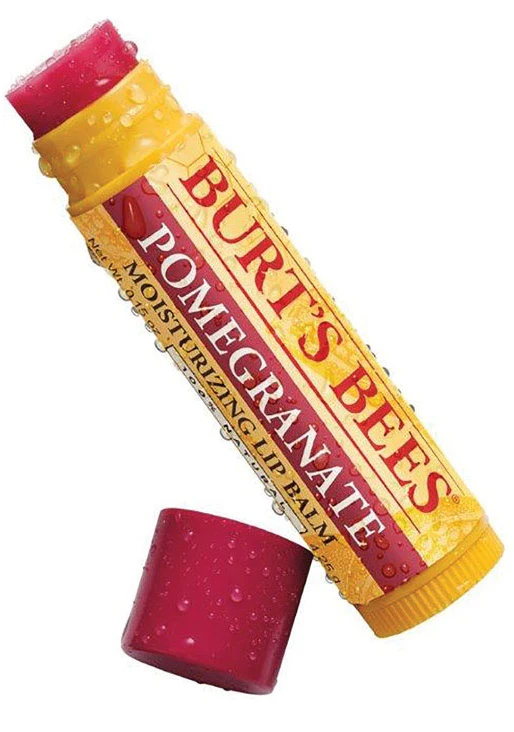
The annual struggle of frustratingly cracked lips has come to fruition as the seasons shift and the cooler air brings a dryer climate. And so I found myself in Top’s Market, digging through a small bin of chapstick to find my beloved Burt’s Bees pomegranate balm. The company claims to be founded on the idea that “bees are magical”, and what could be more magical than learning about the environmental impacts of your favorite products?
Burt’s Bees chapstick gets its charm from its use of “all-natural” ingredients, specifically beeswax, coconut oil, sunflower oil, vitamin E, rosemary leaf extract, and peppermint oil. The company prides itself on uplifting communities and its ambitions to improve sourcing practices, claiming 63% of waxes, butters, and oils to be “traced to origin and verified by on-site visits” (2022 Progress Report). Possibly the most iconic of these ingredients is the balm’s wax, being a heavily aestheticized and marketed part of this product. The company’s wax is sourced from Tanzania, whose opportunities in beeswax production and processing have attracted many buyers, most notably the European Union member countries, the United States, and Japan.
The Tanzanian beekeeping industry is estimated to employ 2 million rural people. The industry has such a presence that the Tanzania government developed the National Beekeeping Policy in 1998 to increase beekeeping’s contribution to the sustainable development of Tanzania and manage the conservation of the country’s natural resources for “the benefit of present and future generations” (Mwakatobe & Mlingwa, 2006). Here we see traces of the company’s claims; local workers continue to harvest the wax in traditional ways and are monetarily supported by the company’s donations. The journey of the wax is certainly taken for granted by consumers, as we have still not found the product’s final resting place.
Upon being harvested in Tanzania, the wax is shipped to a Burt’s Bees factory in North Carolina. Here machines mix the wax, add the other ingredients that were previously stated, and separate the mixture into the iconic honey-colored plastic tools.. According to their website, 100% of Burt’s Bees packaging is recyclable and the company is certified as carbon neutral. Beginning in 2021, the company switched to being powered by renewable energy and joined three different climate action communities.
Although the company’s website offers plenty of information on the recyclability of its packaging, information on where they source its plastic is lacking. According to Plastic Euope’s article on the process of plastic production, the material comes from “organic materials such as cellulose, coal, natural gas, salt and, of course, crude oil.” The dependence on crude oil for these productions may, unfortunately, cancel out the environmental efforts the Burt’s Bees company has made; oil production releases tons of pollutants into the air and oceans, causing things like ocean noise, habitat degradation and destruction, and interference in the lives of the people who are indigenous to the regions where oil is extracted (“Oil and Gas Development | Threats | WWF”).
Oil spills are a frequent consequence of oil production, with an estimated 150 spills happening each year in U.S. waters alone. These spills are not just disruptive to the lives of animals but to humans, ruining public natural resources and causing detrimental impacts on local communities. Although the Burt’s Bees company has made efforts—much more than many other companies in the cosmetic industry—to reduce their environmental impact, tracing each aspect of the product reveals some not-so-magical effects of production.
Oil spills are a frequent consequence of oil production, with an estimated 150 spills happening each year in U.S. waters alone. These spills are not just disruptive to the lives of animals but to humans, ruining public natural resources and causing detrimental impacts on local communities. The United States makes up most of the world’s crude oil production, creating jobs for many working-class Americans, but we must ask ourselves the cost of this. Although the Burt’s Bees company has made efforts—much more than many other companies in the cosmetic industry—to reduce their environmental impact, tracing each aspect of the product reveals some not-so-magical effects of production.
For this assignment, I wanted to see if I could trace the history of a piece that I created myself. As such, I chose to focus on this hand knit blanket that I made for my friend’s birthday last month.
Screenshot
The photo above shows the blanket folded into a rectangle shape. The blanket is about 3 feet wide with 5 feet long. This blanket consists of a textured design comprised of woven braids, each connected through small loops that I hand-knit. The blanket’s reds, whites, and pinks are splashed sporadically throughout the yarn, giving it a unique, splashed appearance. This blanket took four spools of yarn, $20, and 4 hours to make.
Since I made this blanket, it does not have a tag to trace its origins. Because of this, I chose to focus on who made this yarn, the history of the store I bought it from, and how this yarn came to be.
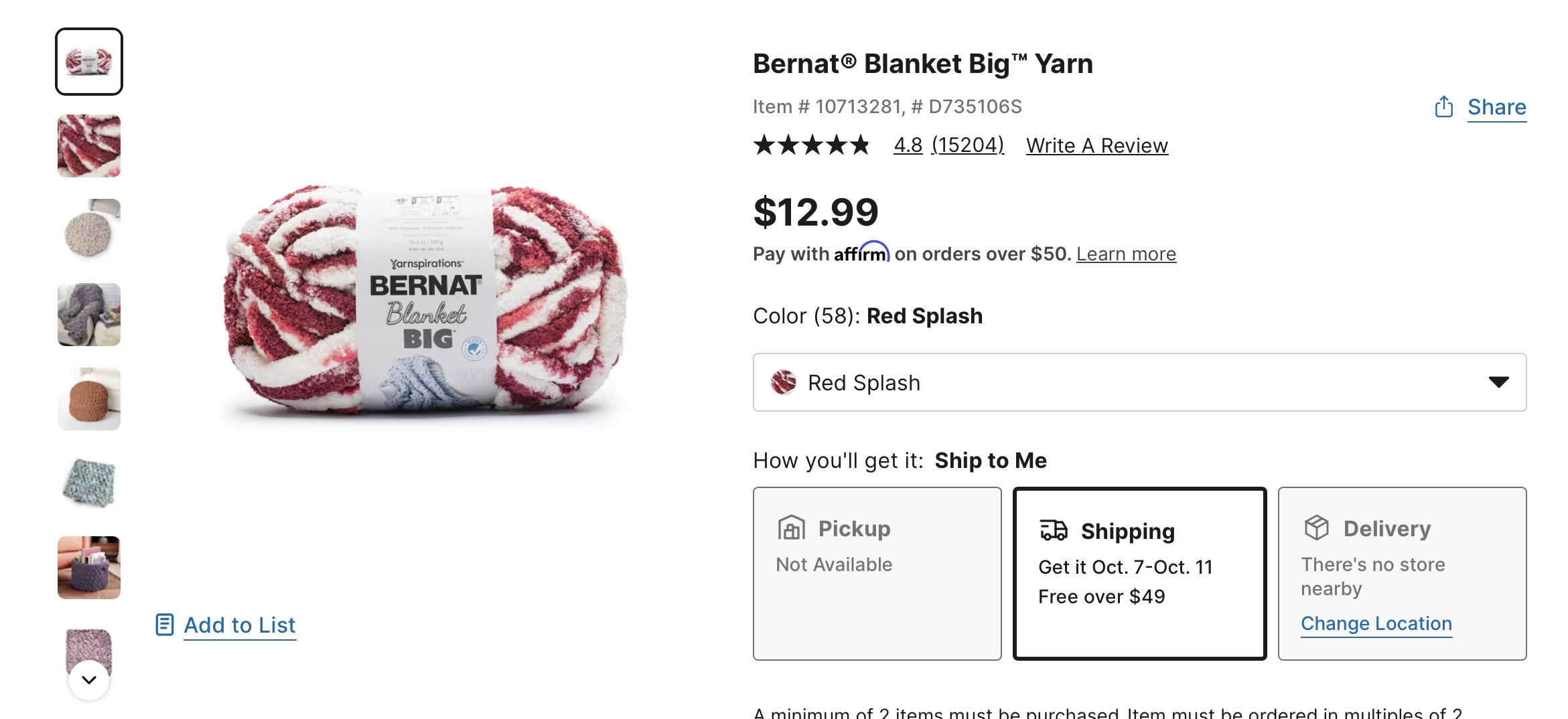
The yarn I used for this blanket was Bernat® Blanket Big™ Yarn in the “Red Splash” variety, as characterized by its red splotches against its white base. I bought this yarn online from Michaels, a widely recognized arts and crafts store.
This blanket was made of four spools of Bernat® Blanket Big™ Yarn. The color it came in was the Red Splash variety, as told by this yarn’s characteristic red splashes across its white base. I bought this yarn online from a Michaels store. A photo of this yarn on the Michaels website is shown below.
Screenshot
Established in 1973, Michaels is a famous craft store that’s known for its specialization in arts and crafts. With its 1300+ stores in 49 states, Michaels is a store that offers lots of art supplies both in-person and online (Michaels). I specifically ordered my yarn to be picked up at the NYC Michaels location that’s located in the Chelsea neighborhood of Manhattan. Though I did pick my order up from there, my package likely travelled from one of Michaels’ many distribution centers or warehouses by Michaels’ UPS delivery service.
I can imagine my yarn traveling in the back of the UPS van, nestled between all the other Michaels-brand supplies, and packaged in its plastic packaging that likely came from China, the “primary plastic supplier in the world” (Grand View Research). Understanding the origin of this packaging shows us how far parts of this blanket have travelled to get all the way to New York (and then SUNY New Paltz!). This plastic, derived from things like petroleum, was underground for so many years before humans decided it had another purpose — to protect the history and the work behind this blanket’s yarn.
The history of this yarn is where the Bernat Yarns Company comes into play.
The company that made this yarn is called Bernat Yarns. Originally founded in Hungary, the company relocated to Boston in 1902. Initially, Bernat focused on dyeing fabrics and restoring tapestries. Their expertise in needlework extended into fine arts, embroideries, furniture weaving, tapestries, and dye refining, exemplifying the Bernat Yarns Company’s skill with textiles (Jamaica Plain Historical Society).
In the 1950s, the Bernat Company was a pioneer in the textile industry, commercializing the use of acrylic yarns as opposed to woolen ones (Bernat). These acrylic yarns, with their polyester and nylon bases, were found to be much softer, easier to care for, and more affordable than traditional wool. This innovation allowed the Bernat Company to increase their sphere of influence, spreading through the United States and Canada. This innovation also allowed them to maintain their trademark — that baby blankets and winter items are some of the best items to make with their product.
The acrylic base of this yarn makes me think about the dyeing methods that were utilized to make the yarn the way it is now. Though the Bernat company does not have a specific process that I could find about dyeing their wool, I can infer that they likely utilize synthetic dyeing methods. I once tried to do the general cotton dyeing method with Sherpa fabric (another acrylic base). Because of the atomic composition of plastic fabric as opposed to cotton fabric, the dye did NOT hold and I was left with only grey-stained pink fabric instead of the black that I wanted. Synthetic dye, for polyester fabrics, is the only thing that will hold.
This type of dye was discovered in 1856 by William Henry Perkin, whose failed chemistry experiment created a whole new world of clothing dye (Science Museum). This dye allowed for fashion to suddenly become a whole lot brighter, and a fashion revolution in almost any shade imaginable. These dyes are now a staple in most clothing design spaces, as colors like blue and purple are very hard to come by naturally.
In 1992, the Bernat Company was bought by a Canadian company. This caused some of its doors in the United States to close, but for their outreach to grow much bigger. By the late 1990s, Bernat solidified its reputation with “the launch of staple product lines such as Bernat Softee, an affordable and durable acrylic yarn that remains a popular choice for knitters and crocheters alike” (Jamaica Plain Historical Society). This yarn is the sister of the yarn that I used for my blanket, and helped pave the way for other “chunky yarns” to become more popular.
I had assumed that the yarn was likely spun in a place where more synthetic products were generated (Asia). However, the Bernat company states that their products are mostly made in the United States and Canada by established weavers. So, for the most part, this yarn (and the blanket it became) hadn’t strayed too far from its original home.
Ultimately, though this blanket is one that was made with my very own two hands, it is a blanket that has travelled many places, and is a result of a lot of scientific innovation.
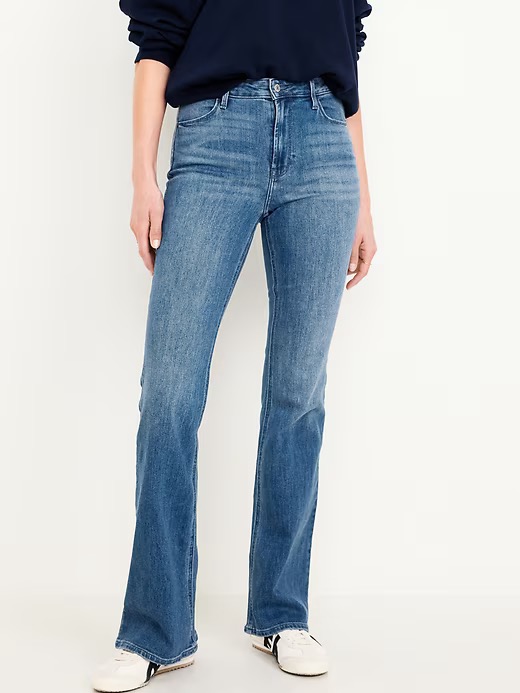
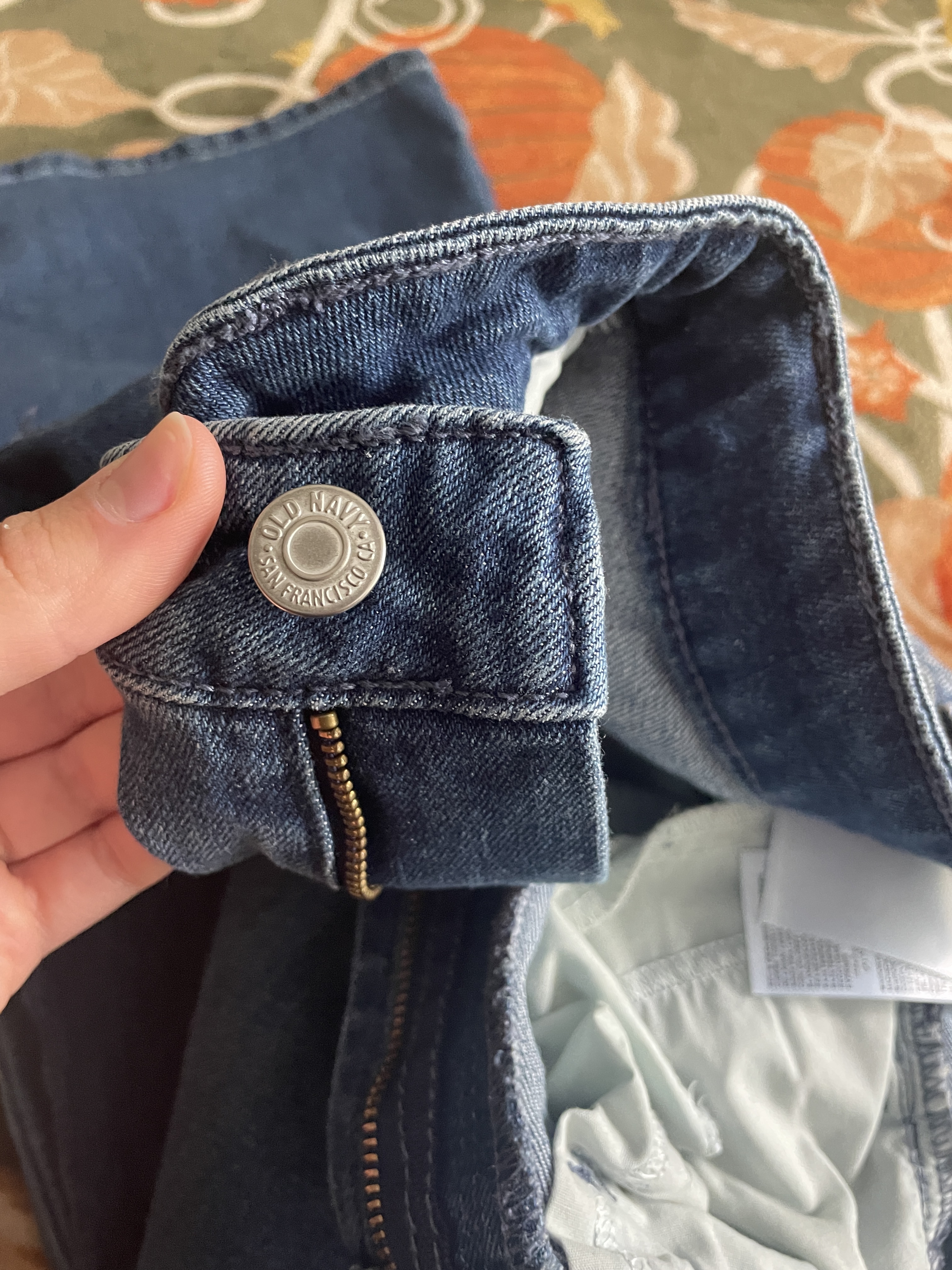
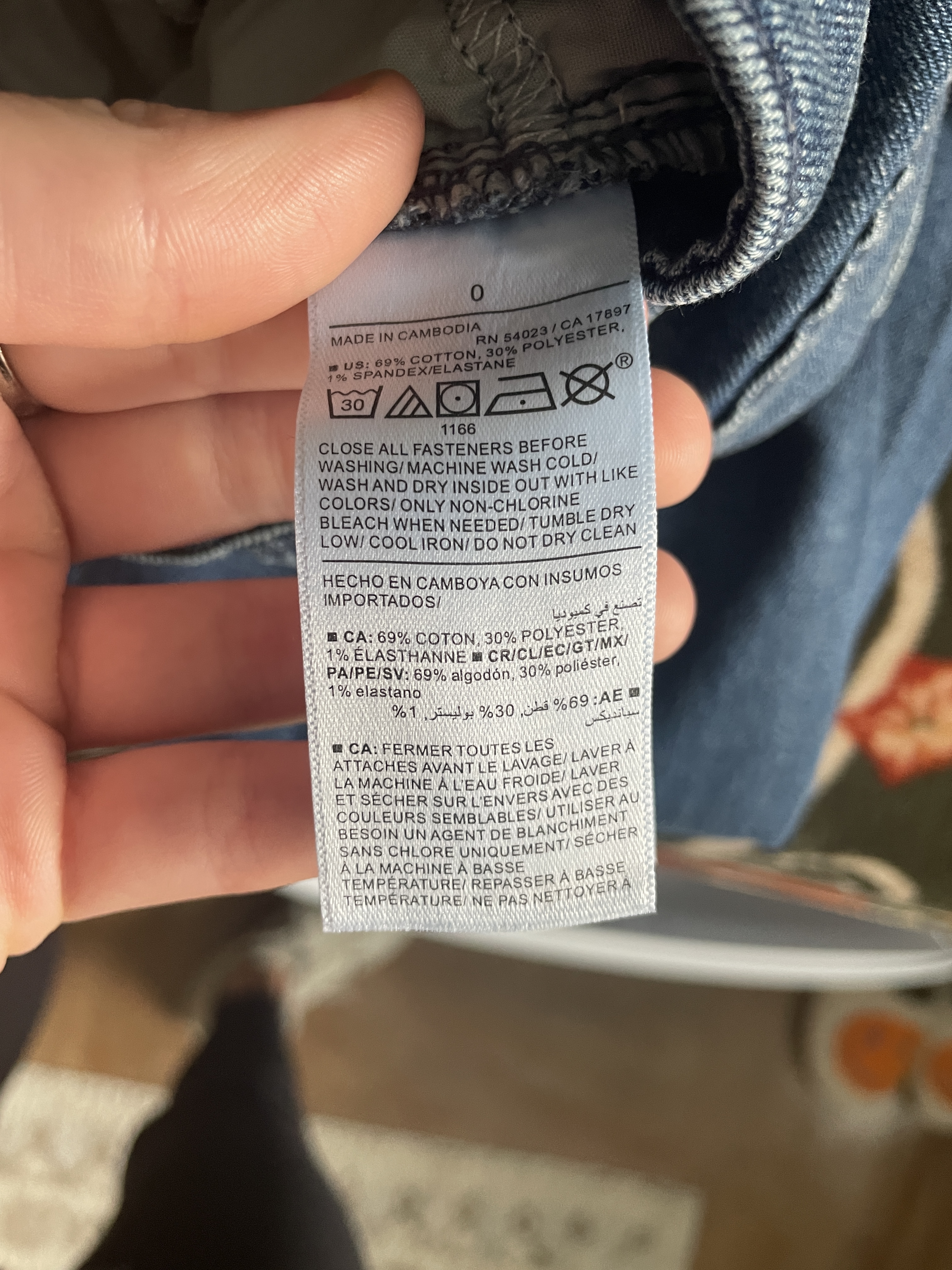
After a recent trip to the Poughkeepsie Galleria, I returned home with a pair of new jeans from Old Navy. The High-Waisted Wow Flare Jeans feature a medium wash and are crafted from a blend of materials. The fabric composition includes 69% cotton, 30% recycled polyester, 7% recycled cotton, and 1% spandex, offering a bit of stretch for a flexible fit. The brand offers different inseam lengths for regular, tall, and petite sizes. My pair, being a 0 regular, has a 32” inseam. The jeans are designed with a snug fit through the hips and thighs, flaring out from the knee. The jeans also feature a button front, belt loops, and front scoop and back patch pockets. The button is engraved with “OLD NAVY” and “SAN FRANCISCO CA,” and the zipper below is an antique bronze. The outside stitching blends with the medium wash, making its appearance very subtle.
When I purchased them, the jeans were minimally packaged and folded neatly on a shelf with others of the same fit. They were organized by size, with the smallest sizes on the top shelf and the largest on the bottom. A rectangular adhesive sticker on the left leg indicated the size and inseam, while two paper tags on the belt and right front pocket featured the Old Navy brand and product barcode.
*Not my pair of jeans; Used to show the original tags and stickers when displayed in store*
Old Navy emphasizes sourcing sustainable fibers for its clothing, particularly for its cotton products. Since 2022, they have implemented more eco-conscious manufacturing practices including water-efficient production practices and the Mill Sustainability Program. All strategic mills owned by The Gap, Old Navy’s parent distribution center, are obligated to perform under this program to help build a more water-resilient supply chain and improve its social performance. When dyeing and finishing the High-Waisted Wow Flare Jeans, denim specialists carefully oversee the amount of indigo dye used to produce its classic medium wash. The total dyeing process typically takes 30-60 minutes from start to finish. A pre-wash gives the jeans their “one-wash look”, which involves a laundry procedure of washing the jeans in just water. Washwell™, an additional program used to manufacture all of Old Navy’s clothing, reduces the water used in garment dyeing and finishing by at least 20 percent compared to conventional methods.
Old Navy’s transportation system involves a global supply chain, which sources raw materials from various countries including Bangladesh, Vietnam, and China. Based on the product’s tag, the High-Waisted Wow Flare Jeans were made in Cambodia. While the exact manufacturing location is unclear, The Gap primarily operates factories in Kandal, Cambodia according to the Cambodian Human Rights Portal. On average, it takes factories approximately 11-15 minutes to produce a single pair of jeans through the process of harvesting, washing, mixing, and then spinning the synthetic fibers. Sfgate News claims that Cambodian workers earn roughly $70 per month working in these factories. That would mean that a worker earned only $0.073 making my one pair if it took them 15 minutes to produce it.
My jeans traveled approximately 8,749 miles to reach Fishkill, New York, home to one of The Gap’s distribution centers in Dutchess County. From there, they were likely transported to the Old Navy store at the Poughkeepsie Galleria. As of May 2024, the average spot rate for dry van trucking in New York is $2.02 per mile. It would cost $14.14 to transport my jeans from the distribution center in Fishkill to the Old Navy in Poughkeepsie since they are only 7.0 miles away from one another.
To ship products efficiently, Old Navy uses a combination of sea, air, truck, and rail transportation, focusing on cost-effective and environmentally friendly methods. It’s unknown whether my jeans arrived in the U.S. by plane or cargo ship. Shipping a 20-foot container using ocean freight, which is the most common method, costs between $2,000 and $4,000 depending on demand, fuel prices, and port fees. If I knew the exact delivery route, I could determine whether they were taken to the distribution center by truck or train. Rail transport typically costs around $0.03 to $0.04 per ton-mile whereas trucking can range from $0.10 to $0.15 per ton-mile.
The journey of these jeans involved a great deal of resources, labor, and time. Learning about the history of my jeans deepened my appreciation for owning them and the privileges I have as a consumer.
Watching how the use and perspective on consumer goods have changed over time is an interesting phenomenon. Water bottles, for example, began as an object of convenience and necessity. The practice of bottling and transporting water dates back to the earliest times of civilization, when horse-drawn carriages transported heavy and fragile bottles made of ceramic or glass. Eventually, plastic water bottles were developed, a lightweight and durable option more suited for everyday use. Finally, the bottle has progressed to the new sustainable alternative- stainless steel water bottles.
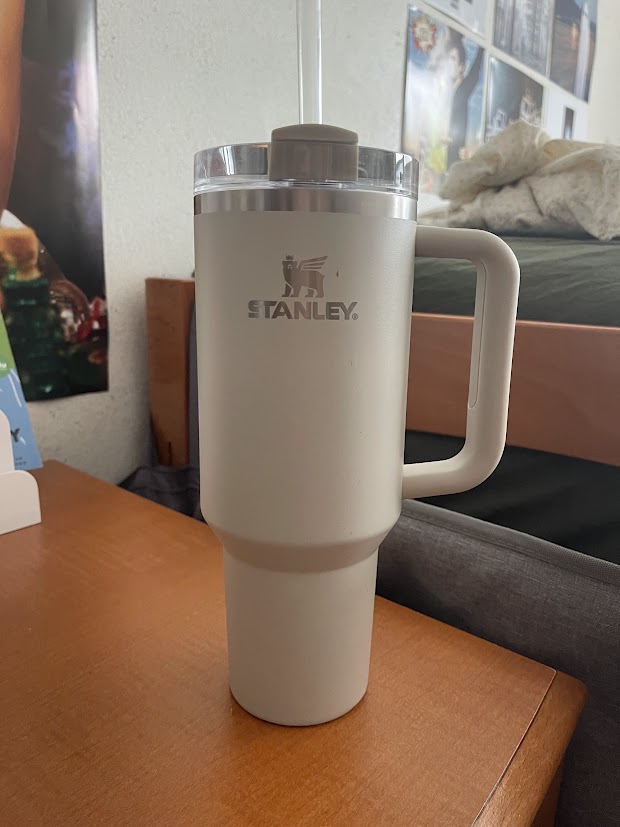
Stanley Tumbler
For my object, I take a closer look at my Stanley Tumbler. The tumbler stands ten inches tall with a capacity of 40 ounces. It is a taupe color, with a silver Stanley logo embellished on the front. I originally purchased this bottle online from Target, to provide myself with a new water bottle for the school year. For me to drink out of this bottle today, there is a lengthy process that often goes unnoticed by consumers. At the most basic level, the bottle itself needs to be produced. Starting with high-grade stainless steel, the bottle goes through a precise shaping and forming process to create a unique design and structure of the bottles. The stainless steel used to produce these models creates durability, corrosion resistance, and hygienic properties to ensure the longevity of the bottle. When looking at the process of shaping and creating the bottle, consumers should consider the specialized machinery and intricate processes that are crucial to the development of an item. Once the bottle was manufactured in Canada, it was shipped to the States and ended its journey in Long Island, New York. Once in Medford, an employee at Target packaged up my water bottle and set it out to be shipped to me. Another worker, someone from a postal service, transported my package from Target to my house, where I received my water bottle. Since then, this water bottle has gone essentially everywhere with me. From long car rides, and tests, to work, this water bottle has been a simple staple in my life.
When examining consumer behavior, there is a clear trend in consumption. What has changed about water bottles from early civilization to now is the context in which we view these bottles. Back then, a water bottle was a simple necessity, a place to store water and easily access it. Nowadays, these water bottles are used as a form of social class. Each year, there is a new rising trend in which water bottle brands are most popular. With each trend, people begin to consume more and more. The point of switching to stainless steel water bottles is to be sustainable and eliminate unnecessary waste where you can. However, rather than just buying one water bottle to be sustainable, it’s become a trend with these bottles for people to consume.
Consumerist trend of “accessorizing Stanley’s”
It would be hypocritical of me to not acknowledge how I myself have fed into consumer culture. Rather than purchasing any stainless steel bottle that I liked, I purchased the one with the logo that would be recognizable. I can acknowledge how I’ve fallen into the consumer trend of buying a new water bottle for the sole purpose of fitting in. While I just use my water bottle to keep my drinks cold, others use it to accessorize an outfit, owning every color the brand sells. Along with this, it’s become a trend to accessorize the bottle itself, with keychains and mini bags. The attempt to move from plastic water bottles to a more sustainable option has inevitably created more waste from the accessorizing of the bottle, and is counteractive to the original purpose of the product. This trend, much like others, is a performative way of contributing to the environment. Recycling, for example, may reduce some waste but mainly makes people feel good about themselves by the thought of contributing. This idea is seen with the trend in water bottles, and it’s interesting to see how I subconsciously fed into this culture myself. In addition to my Stanley, I’ve bought two Hydroflasks while in High School. While part of me wanted to help the environment and move away from excessive plastic waste, the other part wanted to fit into the current consumerist trend.
For this blog, I will be writing about a banana I ate yesterday because the sticker on it said it came from Ecuador and I thought it would be fun to track. Although I can not tell exactly where it came from, I wouldn’t be surprised if it came from Guayaquil, which is a very hot and humid place that has massive banana, cacao, plantain, and rice fields (I see them every time I go to the airport in Guayaquil). On Realtor.com, I found that an acre in Guayaquil costs around $200,000 (9). When it comes to industrial farming, roughly 2,000 banana plants can be grown on an acre (4), which translates to a cost of $100 per banana plant. I’ll tack on an additional $100 per plant per year for miscellaneous things such as insecticides, irrigation, fertilizer, and seed acquisition. The cost of unskilled labor in Ecuador ranges from $20-$25 per day, and to man a single acre this dense I’ll say takes 4 people, which makes the cost of labor $43,680 for the full year (assuming the workers got trained and are getting paid $30 a day). For my calculations, I will assume that only one head of bananas gets produced per plant per year (1) and that each head of bananas has 240 bananas (3). According to these numbers, 480,000 bananas are made in a year on a single acre. If I only factor in the cost of growing and maintaining (since I don’t know how or when Dole bought the property), each banana comes out to a little under $0.10 cents to produce.
To transport the bananas overseas, they are packaged into massive 40 ft metal containers. Each container costs about $4000 (commercially) (10), and the ships coming out of Ecuador can haul 1,000 of these containers (6), each of which can hold a little under 100,000 bananas (12). Since Dole owns its own fleet, I will assume that they can get the cost of transporting each container from Guayaquil to Wilmington, Delaware (5) down to $3000.
Once the bananas touch base in Delaware, I will make the assumption that they will immediately be sorted and delivered to the customer warehouses, in this case Walmart. From there, Dole will deliver the bananas to the nearest Walmart distribution center located in Smyrna, Delaware. From Smyrna, the bananas would then probably get shipped directly over to Fishkill, New York. “As of May 2024, the average spot rate for a refrigerated truck was $2.42 per mile” (7), meaning that transporting the bananas from Wilmington to Smyrna would cost $90.02. If we add the average labor rate for the driver of $0.64 per mile, then it would cost a total of $113.83 to get one container’s worth of bananas over to Smyrna (11). Assuming the same rate, the cost to get the truck from Smyrna to Fishkill would cost $679.32. The total cost to get one banana from Guayaquil to Fishkill would then come out to roughly $0.04. Assuming Walmart only paid $4000 for the whole container of 100,000 bananas and that Sam’s Club paid three minimum wage employees to unload the delivery truck in an hour, the cost of acquiring each banana comes out to $0.04, bringing the cost of putting a single banana on the shelf at Sam’s Club to $0.08.
The banana’s journey ended when I bought it as part of a bunch at Sam’s Club for ~$2 (including tax) earlier in the week. To get it home, I had to drive 15 minutes (~6 miles). “According to the U.S. Department of Energy, the average cost per mile of driving a car is $0.58” (8), which means that the roundtrip costs me around $6.96 in total. If I were to add the cost of the Sam’s Club membership per day, my new total would come out to $7.10. Given that I bought 12 items, the cost of me moving to get the bananas was $0.59. In total, I personally spent $2.59 to pick up 7 bananas, meaning that the one banana I ate cost me ~$0.37.
In conclusion, the banana that I ate traveled 3,000 miles to reach me and cost a collective $0.55 to consume between Dole, Sam’s Club, and myself.
“How Much Your Car Is Costing You per Mile.” Yahoo! Finance, Yahoo!, finance.yahoo.com/news/much-car-costing-per-mile-110042500.html?guccounter=1&guce_referrer=aHR0cHM6Ly93d3cuZ29vZ2xlLmNvbS8&guce_referrer_sig=AQAAAHVa-ipmq_KooPk5aG_YN_TwliRJ-G0-hjMZmSGFt36hENOVks09aaNVtnAbINCSLx0C832fn-vqzcG0ajFSxycxq7Cdetbr1wMdlnEuRcwt34R-G0nmEuna1xLs3QpHf5TZJW_xiFHF88EQ7JVHtT0ZeY_wlY4axZDtYAQ8ELB1. Accessed 30 Sep. 2024.






 The Materials of History, Thought, and Art