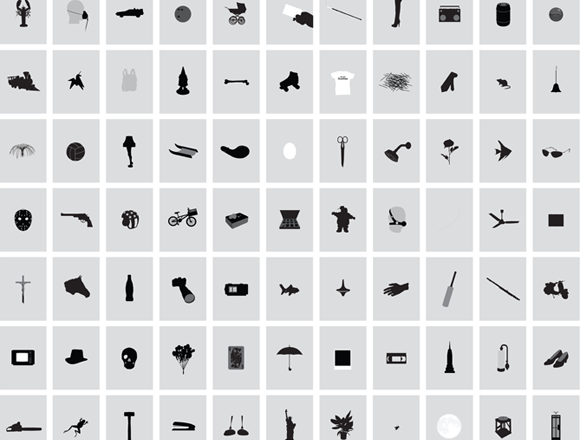
This Monday, we will learn about objects and movies. Sue and Anne will start off the lesson with a discussion about movies as objects – how movies themselves may have numerous objects within them, but they also function on their own as objects as well. So much of what movies are composed of is heavily influenced by the creators of the movie who decide the purpose, intent, and more. Movies can be objects used for entertainment, as well as manipulation and propaganda, as well as economic advancement!
Then, we will flip the switch, and move on to discuss on how objects themselves are used within a movie to imply (as in a movie poster) its genre. We’ll ask a question to get our brains thinking: when we think of the two movie genres of romance and horror, what objects come to mind? What objects are usually shown in a “RomCom” or scary movie? What emotions are evoked by such objects, and why do you think movie makers incorporate them into the movies? We will write all of these objects on the white board, and follow this activity up with materialized evidence of our findings through a study of objects commonly shown in real movie posters for these genres. Genres largely have to do with the emotions an audience is meant to feel while watching a film, and a study of the objects within horror and romance film posters will evoke how objects can be inextricably tied in with the emotions of fear and love.
We will proceed to focus even more closely upon how just one object can not only imply a movie’s genre, but the entire movie legacy itself! We have a game to play called Famous Objects from Classic Movies, during which an object will be shown, and we will have to guess which movie it is from. We will then focus on a few objects, such as:
- The Leg Lamp (A Christmas Story)
- Wilson (Castaway)
- The Plastic Bag (American Beauty)
- McLovin ID (Superbad)
- Guy Fawkes Mask (V for Vendetta)
- Rose (Beauty and the Beast)
What do these objects mean – are they iconic? Are they timeless? How do they contribute to these films and their respective legacies and followings? What memories, emotions, scenarios, and thoughts are evoked by looking at these objects, and do they directly correlate with each movie’s legacy? Are these objects quite possibly what can make a movie timeless and recognizable across generations?
In short, do these objects help immortalize the film? If so, it is confirmed that some of the film industry is indebted to objects. Be sure to keep in mind the intent of the director. Does this affect the significance and meaning placed upon the objects of movies?
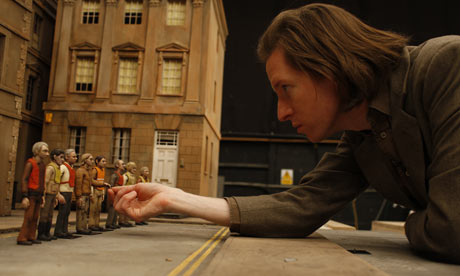
In the second half of our lesson, we will present a movie director that is famous for his utilization of materials within his movies: Wes Anderson. To illustrate Anderson’s style, we’ll show a short spoofy clip that filters Star Wars through an Anderson lens. The style of the Star Wars movies is very well-known; through presenting an Anderson Star Wars, we will dip our toes into his emphasis on objects and how he uses them to make his movies. We will then watch clips of Moonrise Kingdom (2012) and The Royal Tenenbaums (2001) and ask the class how Anderson is using objects to explicate themes and define characters.

Annotated Bibliography
Sorry for the long link – if it does not work, go onto the STL website, click Databases by Title, go to JSTOR and type in “The Art of the Movies in American Life”
This article published in The Journal of Aesthetics and Criticism presents movies to us as artworks. Fox gives us insight on the purpose and various ways people make use of films. The article also compares movies with art and it explains why movies are so popular to everyday citizens.
https://twitter.com/WordsOfWes
Unfortunately, Wes Anderson does not have a Twitter account, but this clever page has successfully merged all of his witty movie quotes into one twitter account that illustrates his pithy style that can go hand-in-hand with the creative ways in which he utilizes objects.
“The World of Wes Anderson”: an entire website devoted to the study of Wes Anderson. in which visitors can find screenplays, reviews, a radio station dedicated to playing Anderson soundtrack songs, blog posts on the filmmaker, and more.
Cinephilia : Movies, Love and Memory edited by Marijke de Valck and Malte Hagener
Pages 163-166 of this book, accessible through the STL Ebrary, contain an essay entitled “Melancholy Objects, Out of Place” that concentrates on the way in which Anderson applies his characteristic style of arranging objects to his film plots and character development.









 The Materials of History, Thought, and Art