So for my project, I’m kind of expanding on my honors thesis. For my thesis, I’m trying to undermine the stigmas that come with individuals with communication disorders through art and drawing portraits. Because of my project, I get to know these individuals a lot more and I hope to portray their beauty through my artwork.
For this final project, I asked one of my friends who used to stutter severely to tell his story through an object. He chose to talk about the menorah. At first in the interview he goes in depth about the significance of the menorah in a historical and biblical point of view. Then he talks about how its relevant in his life and how it has helped him overcome so much. He is a very spiritual and religious person, so the more you read through the interview, the more you so how closely tied his life is with this menorah and all that it represents. I posted a excerpt of the interview, it is not everything that I have.
Can you describe the physical object?
Okay, so the menorah has seven branches and it has one sort of middle branch, like a trunk of a tree. And then there are six branches that branch from that. It’s usually gold or silver, and it usually has candles because it’s meant to be lit. It has symbols like the tree or different animals, like the lamb or the goat…because these were animals that were significant in the Old Testament, especially when it came to sacrifices, religious and ritualistic sacrifices. So they [the animals], have a profound meaning, especially in the Jewish and the Christian…but more so the Jewish tradition. I hope I expressed the physical description of the menorah.
So what color is the menorah? Is it gold or…?
It’s gold or silver. [It’s] most likely gold because it’s meant to emulate the original menorah. It’s also called the candelabrum because of its branches and because it has candles, and they’re lit! So it’s usually gold because it’s meant to emulate the original menorah. The original menorah was located in the wilderness tabernacle of the ancient Israelites when they were wandering in the desert to the Promised Land, and so part of the design of the wilderness tabernacle was to have a menorah. It was there to symbolize the presence of God amongst the people of Israel. And usually, in a more Christian understanding of the seven branches, they are meant to denote the seven churches that are addressed in the book of Revelations when the author, I believe his name is John, he is writing about his revelations that God gave him of the end times. But in a more sort of Judaic understanding of the menorah, the seven branches, I believe, basically stand for sort of the fullness or the wholeness of God’s promise. So the number seven is meant to stand for or represent the idea such as wholeness and completeness and peace. And sort of a fullness of God’s presence and sort of God is wholly present in the people of Israel.
So this must have been a very spiritually comforting object to you.
Oh yes, definitely. Whenever I looked at it, because I grew up in a Messianic Jewish congregation, and Messianic Judaism is basically an amalgamation of Jewish traditions and beliefs along with loosely, the Christian notion of Christ or Jesus Christ as the son of God, and as the promised Messiah. Or deliverer.
Wow, I didn’t know that
And so in terms of it being comforting, I remember going to temple and, especially Sabbath-
So this is something you’ve had your whole life?
Yes, pretty much my whole life. And I would look at it and I would feel comforted because I would believe that that stood for the fullness of God’s presence in my life. So I didn’t just have a part of God, I had all of God in me. In my life.
Okay so, when did you realize its significance? Well, how has it been significant to you over the years?
I gradually realized its significance. Um, I remember going to bible class as a child. They taught us about the different narratives of the bible but they really didn’t introduce us to any of the sort of profound symbolism in the bible. It’s actually when I transitioned into the youth bible study where they began to provide us with more advanced studies of the bible, especially of the Old Testament. So they taught us about the wilderness tabernacle and they taught us about the different parts and elements of the tabernacle and they taught us about, especially the menorah… and sort of, it’s historical significance as well. And why we didn’t use the cross as our representation because the cross stood for Christendom and sort of
the Medieval ages and the oppression and the imperialism that took place. And we understood it, as messianic Jews, the cross to be erroneous and it did not represent the original intention or quote on quote, the pure beliefs of the original believers that were called ‘believers of the way’ or believers of who we called Messiah Yahshua, which is Hebrew for Jesus Christ basically. But there is a whole argument on sort of the linguistic meanings of those names. And so we felt that Yashua Messiah was more…was pure and it is the name of the Messiah. And Messianic Jews felt that that should not have been replaced with any other transliteration. So back to the menorah, the menorah you know, as a consequence of all of this…it’s meaning, the fullness of God’s presence… But more than just that, it’s a political message to the community that we are messianic Jews that we are distinct from Jews and we are distinct from Christians. That we’re not Christians, nor are we Jewish. But we’re sort of in the interface between the two. And so Jews would sometimes comment and say ‘well, you know the menorah is our symbol’ and so the Christians will say ‘but why are you using the menorah, that’s Jewish!’ So we would have to constantly remind or reiterate the political message of saying ‘this is our identity as messianic Jews’ and this is why, because we’re in the interface and we’re bridging Judaism and Christianity together. The way that Messianic Jews understood it was always supposed to be.
I’m curious how the two connected (the menorah and speech impediment). You said the menorah or what the menorah represents, shaped you as an individual and you also said you used to stutter. Did you have times when you had trouble communicating with people, you found the menorah as being something of a comfort to you?
Yes. Actually, because like I said, the menorah represents the fullness of God’s presence. And this is a God that is invisible. So in times of disbelief or doubt, I would look at the menorah and it would be reaffirming of my faith. And therefore, I would return to my strong belief that despite me having a speech impairment or severe stuttering, that I could overcome that. And my faith at the moment, regardless of the social influences that I had, was that God would help me overcome stuttering. Little did I know that it was also my community that I grew up with that helped me get over my stuttering. They pushed me to read biblical verses in front of the congregation. They also pushed me…they strongly encouraged and motivated me to eventually speak full on sermons in front of the congregation. And at first I would stutter every other word. But there came a point where the social influences I grew up with and my faith united. And even when I did eventually speak more and more sermons, there came a point where I was more enthusiastic, I was very animated when I preached, and I eventually began to more and more overcome my stuttering problem.
Did you have- were you seeing a speech language pathologist at that point?
I was.
And did she also encourage that too? Like was she really good about that?
Actually, she was more…I guess her approach was more…because she had no idea about my religious community or my religious upbringing. Actually, that’s a lie. She knew that I did…she understood that I was Christian because I didn’t really know how to explain my Messianic Jewish faith to her, so I would just say to her I was Christian. And I didn’t want her to misunderstand that I was Jewish either. So she really knew very little about that aspect of my life.
So she didn’t even know you did sermons and things like that?
No
But you improved so much through that feedback you got from the sermons. What did she think was happening?
Well um… she really worked with me…The different speech pathologists that I consulted throughout my elementary-middle school education. She really worked with me sort of, the details of my speech impairments. You know, working pronouncing words properly, and sort of you know, she had me read sentences, and she [and the other speech language pathologists] was very scientific, very structured. Ad opposed to my religious community where it was spontaneous. And they had me stand in front of the whole congregation and they had me…
How did they even convince you in the beginning to get up there?
Well, part of it was that it was part of our socialization. And our training as Messianic Jewish children and youth [was]…to prepare ourselves to be trained in knowing the basics of how to spread the good news, or spread the gospel pretty much. Or spread the message of Messianic Judaism. And so we were trained to be spokesmen. And so I turned out to be amongst my peers, the one who stood out for some reason or the other. And I was just very into, you know, especially around the age of twelve or thirteen where I would just be very into and dig deep into the religious and also the spiritual experience of being a Messianic Jew.
So these two aspects really tie in together. That’s amazing.
It does, it does.
You must be so proud.
I am. I’m thankful for the experiences that I’ve had. And it was really because of my community, because of my education, and the positive influences that I had growing up. And my faith. I would even venture to say, that all of those elements combined helped me overcome my speech impairment. And the severity of my stuttering problem.
How severe was it?
It was severe. I stuttered almost every other word.
Since what age? Ever since…How young were you when you first began stuttering?
I’m going to say four?
And then when did it start getting better?
It started getting better early teenage years, around thirteen, fourteen years old. Because I was so active as a youth leader in my congregation, and they constantly had me singing and preaching. And then in school, I was an active student in the classroom.
Wow. It’s crazy because even in my life, looking back in my high school years, even without a speech impediment, I was a shy kid and I wasn’t active at all. How did you, what—How did you do that?
It’s because of my faith community. Really. Because that whole socialization of being strongly encouraged. And socialize to be a spokesman. And singing helped. Growing up and singing. Singing helped so much, and that’s actually something that I left out. Singing was actually preceded sermons and preaching. Singing was something that really was sort of, one of the first steps that I took within my religious community to open up. And that’s one of the first times that I actually sort of publically performed, for lack of better words, was singing. And from there it [confidence] grew. I first sang with my sister, and then eventually I sang by myself, and then eventually that lead to sermons and preaching and public speaking and so on and so forth.
Is there a specific instance you can remember as a child or whenever, when you faced a big obstacle and you turned to the menorah for comfort?
Well throughout my life, besides all the positive influences that I’ve had, and I’ve given into those positive influences and I was able to step outside of my comfort zone and speak in front of other people. Because of my stuttering problem, and I wouldn’t necessarily think this as a negative. My stuttering problem helped me develop a rich inner life. Because it sort of fostered me in a sense or shaped me to be this very introverted individual who valued the inner life a lot because of my faith and also because of my stuttering and sort of, my experience of socializing not being as easy for me as it was for others without a speech impairment. So it helped me develop this inner life which, when I did confront difficulties of which I can’t remember any situation specifically at the moment, but I know that because of that, I was also able to turn to the menorah. This also made me feel, because of my rich profound inner experience, it made me feel strange, peculiar, and weird. Like, I couldn’t fit in with my peers growing up, because no one really understood that part of me. That part of me was a huge part of myself. A huge part of my life.
So menorah, simply because it stood for the fullness, you know because usually in Christian theology, and even in Judaism and even in Islam, in the major Western monotheistic religion, there’s this idea of God being transcendent and apart and wholly and God is this separate entity. This almighty, all-knowing entity, apart from the human experience, but yet, the very significance of the menorah told me that that wasn’t fully the case. That the very God that was transcendent; is also fully a part of my life and a part of my human experience. And so the fullness of God’s presence was in me. And so I could literally turn to that when I felt nervous or when I felt like I wanted to retreat and maybe not socialize anymore because people didn’t understand me. Because when they heard me stutter, that affected my self-esteem and so on.
So when did you start being more comfortable in the school setting? Because it sounds like you kind of had two very different identities and experiences in school vs. your congregation.
Towards the end of my high school experience. When I decided to take chorus classes and, when I was inducted to the National Honors Society, and when I became more of an active student towards the end of my high school years. In my senior years especially, that’s when I slowly began to open up. Because I really did not have, I didn’t feel like I could fit into any particular group or clique in high school. Actually, it’s when I came to New Paltz and and started to attend college, is when I really started to open up. Because I was actually two different people. In high school I was shy, I was more to myself, I felt like I really couldn’t fit in at all but within my religious community I was this youth leader, I was this spokesman, I was well known…
So now you’re starting to see that person in just everyday life?
In everyday life yes.
And now that I think about it, the speech therapy that I had and the social forces that basically combined to help me overcome my stuttering or my speech impairment, the combination of the two… first of all the speech therapy helped me pronounce words and develop a structure for me to work with and eventually develop mechanisms to overcome my speech impairment or stuttering. And then the social forces, my religious community and educators and my family members, they helped me and that whole social experience helped me and impassioned me. And so those combined really have shaped me and molded me into the person who I am today.
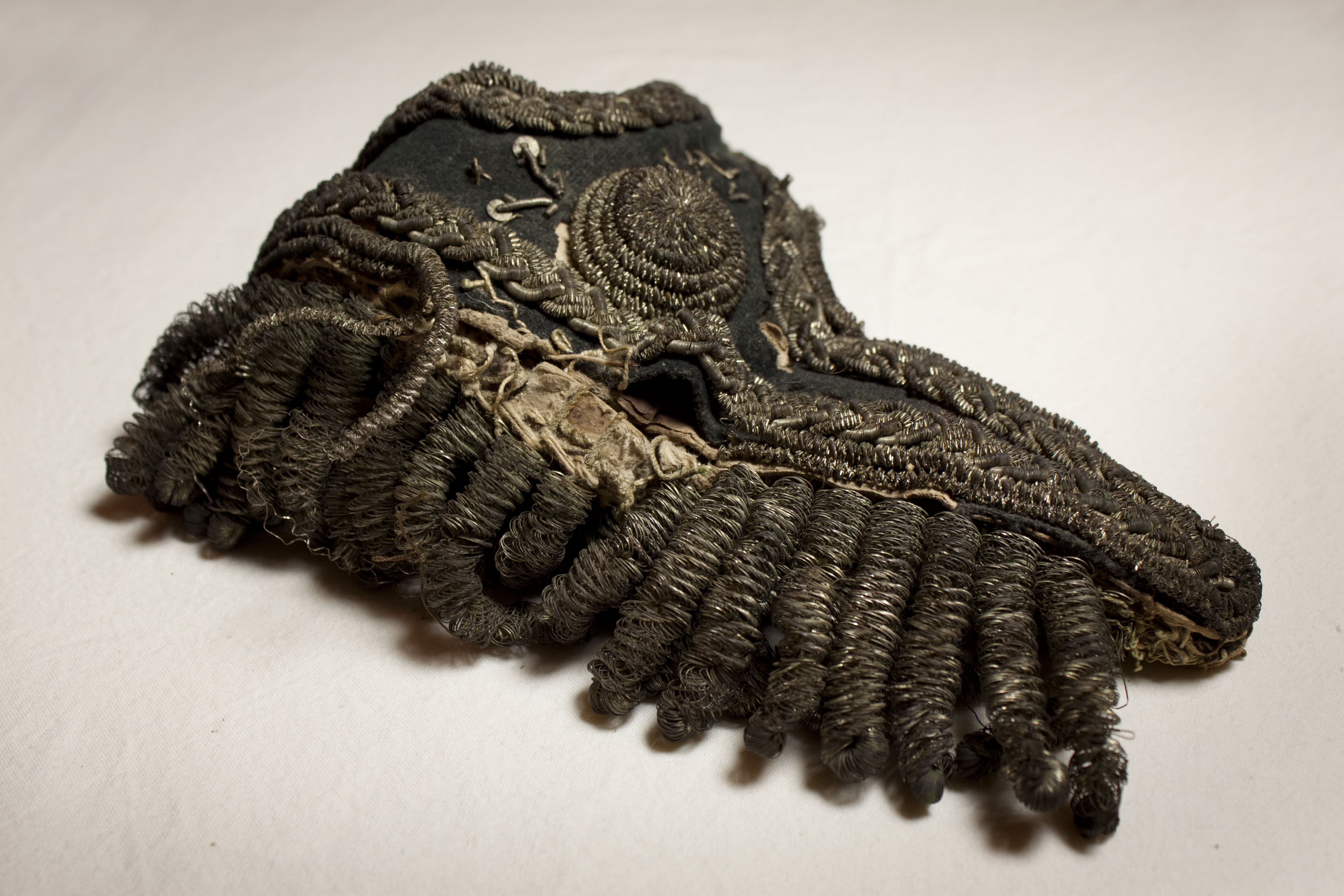
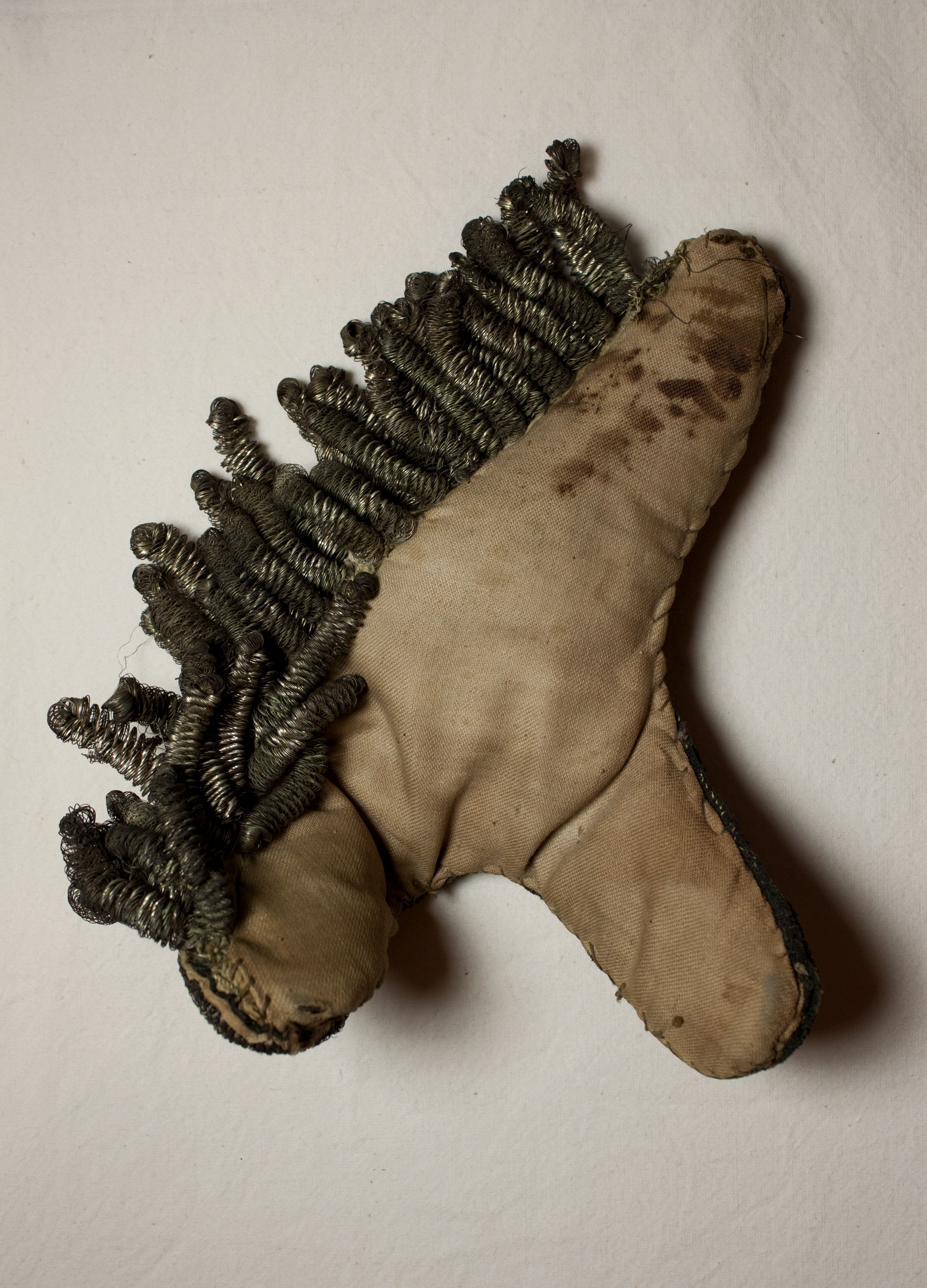
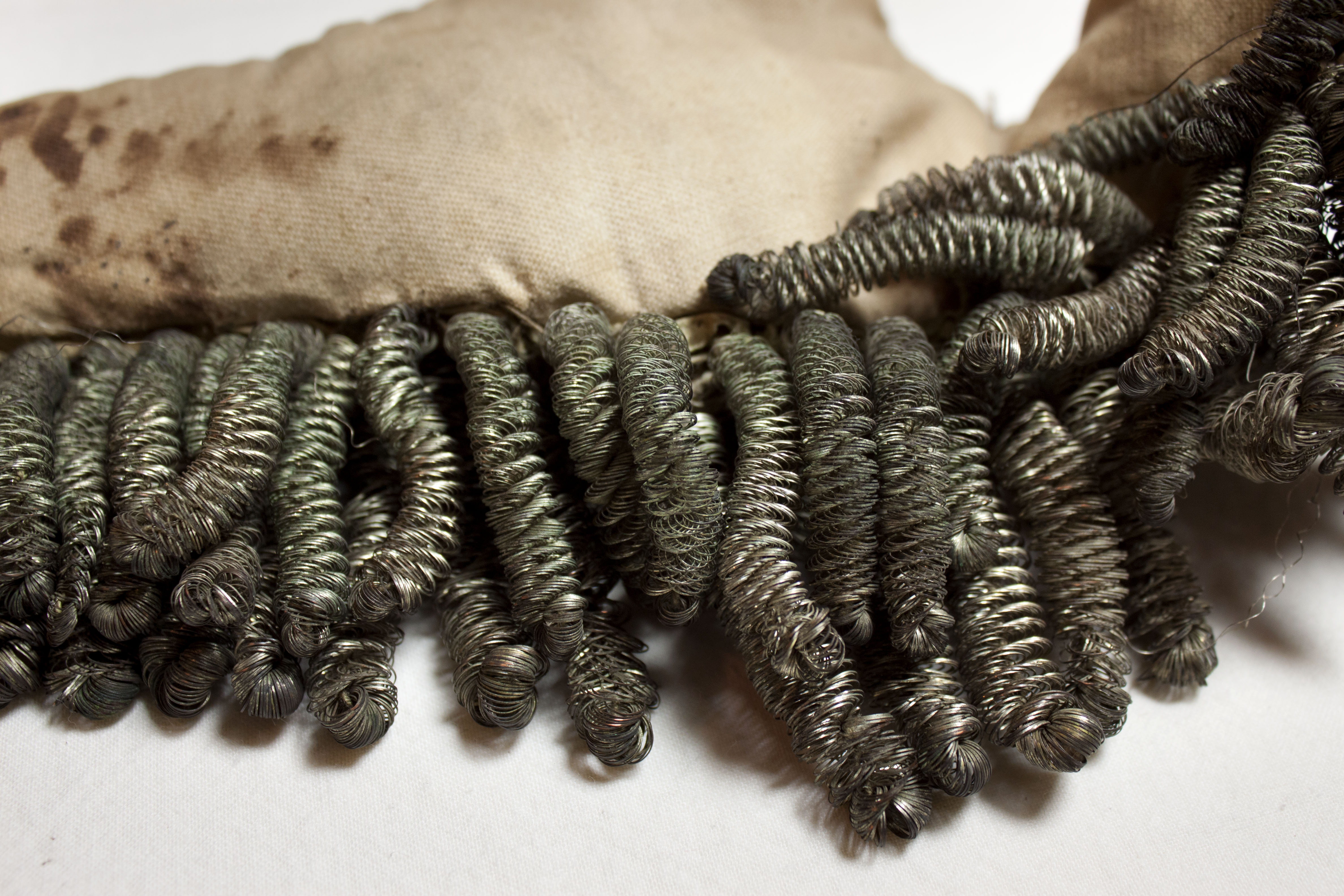





 The Materials of History, Thought, and Art