Written By: Nikki Hirschkind
The object I will describe is a stainless steel colander that has been in my family for over 100 years. It has been passed down to generations of daughters, each using it in their own kitchens for decades. Today, the colander stays stored in my aunt’s basement until it is used for our annual Thanksgiving family dinner.
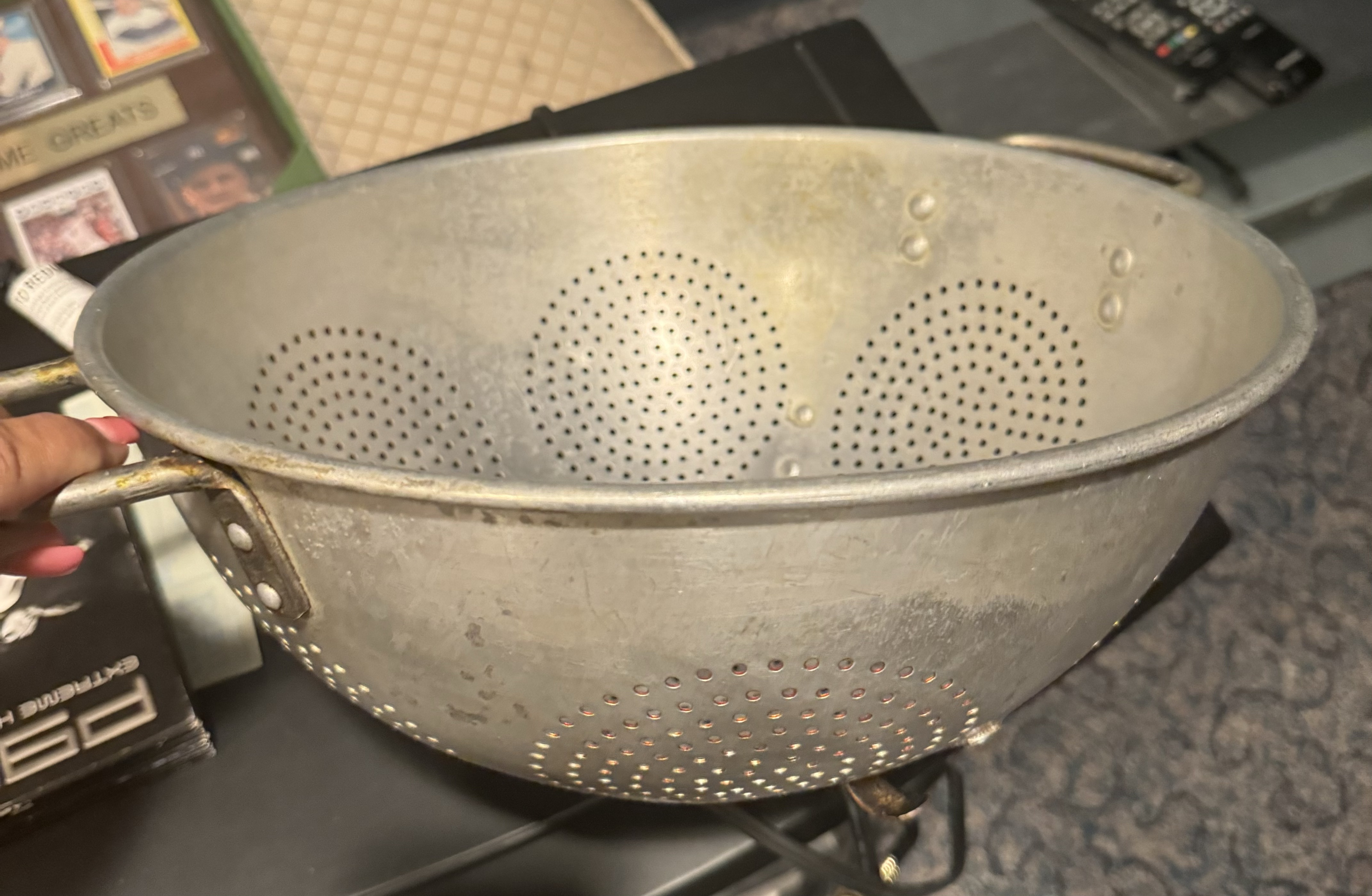
The colander is large and spherical, with a wide rim that features a small lip. Two metal handles are attached to the exterior using four oval head screws. At the base, two curved hooks likely serve to hang it on a pot rack. Inside the colander are seven circular patterns of small rounded holes, allowing it to function as a strainer for ingredients of various sizes during cooking. Despite a few rust marks on the outer edges and inside, it is in excellent condition and works properly.


The story of the colander begins with my great-great-grandmother, Catherine Gandolfo. She was born in Palermo, Sicily, on May 2, 1888, and immigrated to the United States in Pennsylvania in 1908. Catherine married Frank Gandolfo when she was 17 and had four sons and a daughter between 1909 and 1929. One of the sons was the father of my grandmother, Nana. When talking to Nana about its history, she shared that her grandmother received the colander as a wedding gift from a friend at their wedding in 1905. However, there’s a possibility that her grandmother inherited it from her own mother, making the colander even older than we imagine.
My great-great-grandmother kept the colander until 1938, the year my great-grandfather, Matthew, married his wife, Theresa. As a wedding gift, Catherine gave the colander to her new daughter-in-law, starting a family tradition in which the colander would be passed down to the next daughter of the current owner.

Theresa and Matthew at their wedding in 1938
Theresa kept the colander in her kitchen in Garden City, New York, for nearly 22 years. In 1960, she gifted it to her daughter, Nana, on the day of her first wedding. The colander was brought to her home in Commack, where it remained there for almost 30 years. Nana fondly recalls using it to strain pots of ravioli or pounds of spaghetti.
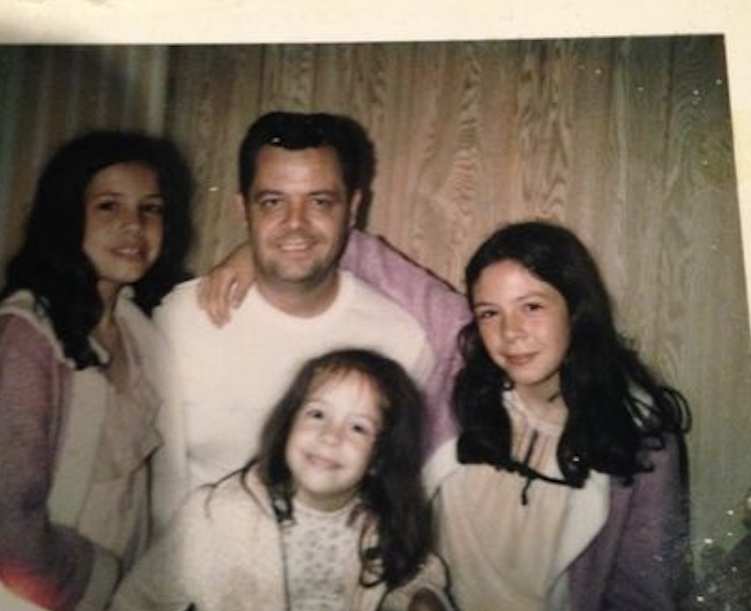
Nana’s husband and daughters in the Commack house
The colander became a staple at large family gatherings and pasta dinners during the time Nana’s children grew up. My mother, who is one of her daughters, cherishes the memories of those family dinners. Most Sundays were pasta night at the house, where there was always a big pot of sauce on the stove. For lunch those days, Nana would grab a meatball out of the pot and smash it up on a slice of Wonder bread for her and her daughters. My mother said she would always cook more pasta than the family needed. She would pour the large pot of steaming spaghetti into the colander, which held all of it without ever spilling over.
During Thanksgiving, Nana carries the tradition of preparing her famous stuffing. Using five loaves of stuffing bread and pounds of eggs, butter, and onions, she manages to perfect the recipe every year she makes it. The colander is perfect for mixing all of the ingredients and its depth easily holds the massive batch.
In 1984, after remarrying, Nana moved to a new home in Holbrook, where the colander served many more pasta nights. In 2008, after the passing of her husband, she decided to move into my aunt’s house in Sayville. She brought the colander along, hoping it would carry the memories of her Holbrook home. Since then, it’s mainly been used for making her special Thanksgiving stuffing. Nevertheless, it’s always heartwarming to see my aunt pull it out for the holidays, watching Nana’s face light up with nostalgia.

Nana with her daughters during her second wedding in 1984
The colander carries a deep history, a symbol of family and love forged through a century of shared meals. Just like the durable stainless steel that has preserved it for over 100 years, the colander reflects the strength and resilience of our family and our connection with one another. Every year, I’m amazed to see it come out from its spot in the basement, still in pristine condition. I look forward to the day it’s passed down to me, as Nana intends for me to carry on its legacy.
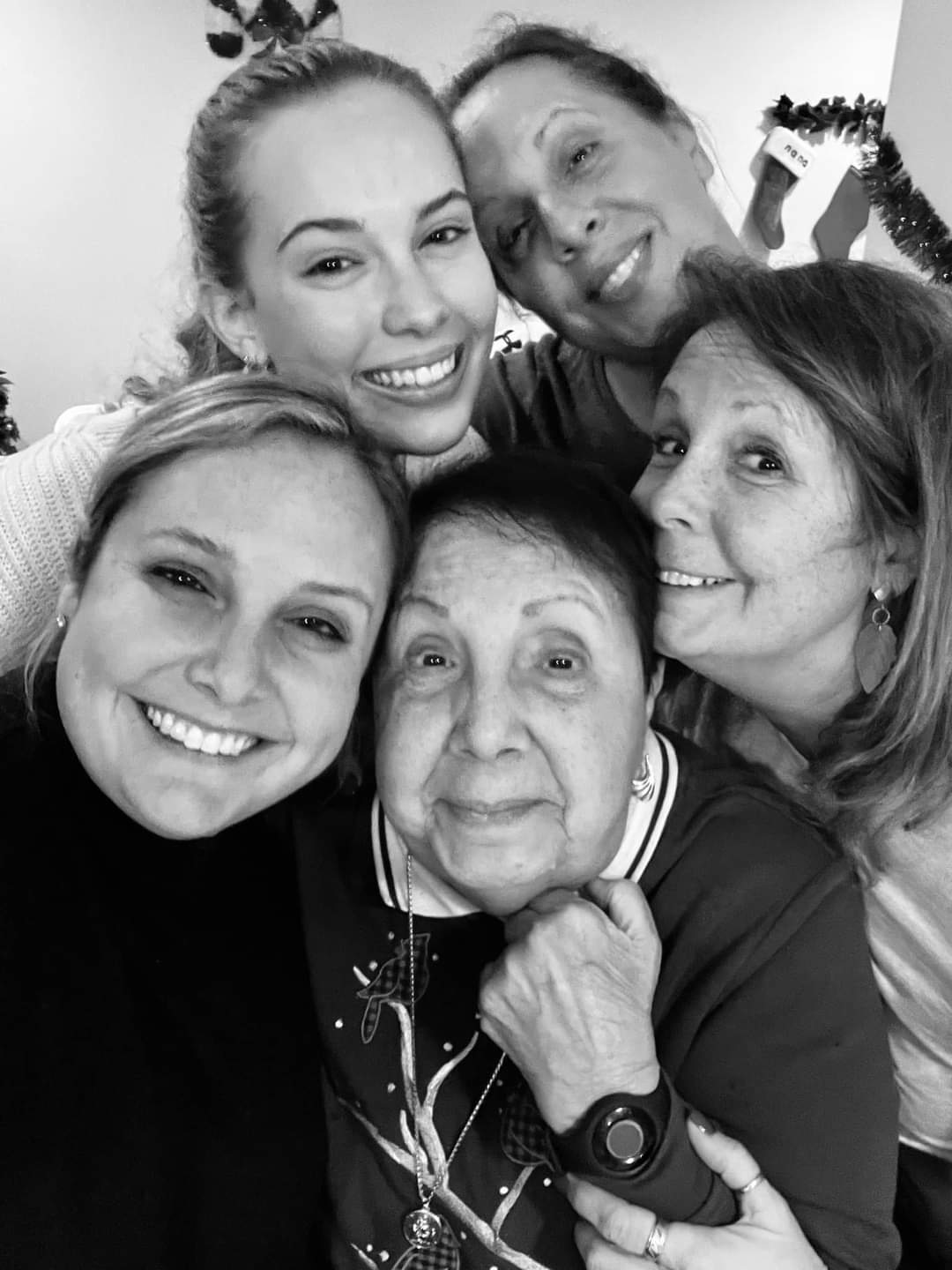
The generation of daughters now (Top: Me on the left/My Mother on the right) (Bottom: My Aunt’s Daughter on the left/Nana in the middle/My Aunt on the right)
 The Materials of History, Thought, and Art
Amazing story. I totally relate the Long Island Italian style family and what that means. My family is very similar to yours in that we are super close and often have family gatherings with way too much food. I love that you were able to trace the colander back to your family that immigrated here. I would love to know more about where the colander was made and that side of its history as well. I think it’s so cool how the colander is still a part of your family since you use it during holidays and special occasions even after being through so many owners. It makes perfect sense that you would inherit the colander because of your love for cooking / baking things for people and mad kitchen skills.
I absolutely love the story behind the colander! It’s beautiful to see an object that has been in a family for so long, and a staple for so many gatherings. I appreciate your description of the physical appearance of the object, as well as the history it holds in your family. Also that family photo is so cute.
As you know I already loved your story from our partnered disscussion on Friday, and I really love the narrative story you have presented here.
Adding the element to the story that the object is still in pristine condition after 100 years of meals just shows how much love and care is in this family. It is really a beautiful story. Your use of location as a plot device is also a really nice touch I enjoyed. It was as if we were traveling with the colander. Lastly your description of the countless meals prepared was also very pleasing.
This was a great choice of object with an incredible history. Your recounting of family pasta nights reminded me of dinners with my own family, and evoked senses of warmth, comfort, and familiarity. Your concluding paragraph was beautifully written, and I especially loved the line, “The colander carries a deep history, a symbol of family and love forged through a century of shared meals.” Your choice of language in describing the familial value of the colander is on point, and evokes the deep bonds that are formed when recipes are passed on.