Watching how the use and perspective on consumer goods have changed over time is an interesting phenomenon. Water bottles, for example, began as an object of convenience and necessity. The practice of bottling and transporting water dates back to the earliest times of civilization, when horse-drawn carriages transported heavy and fragile bottles made of ceramic or glass. Eventually, plastic water bottles were developed, a lightweight and durable option more suited for everyday use. Finally, the bottle has progressed to the new sustainable alternative- stainless steel water bottles.
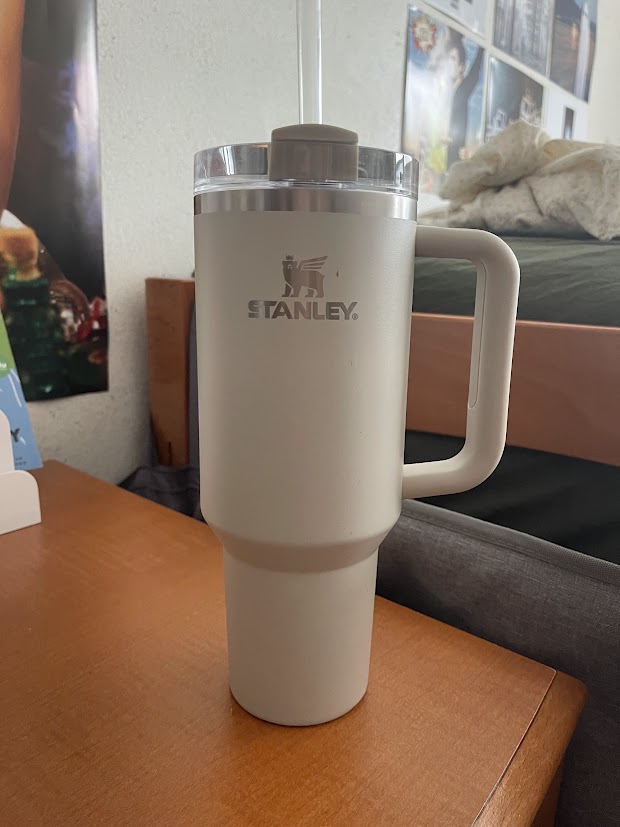
For my object, I take a closer look at my Stanley Tumbler. The tumbler stands ten inches tall with a capacity of 40 ounces. It is a taupe color, with a silver Stanley logo embellished on the front. I originally purchased this bottle online from Target, to provide myself with a new water bottle for the school year. For me to drink out of this bottle today, there is a lengthy process that often goes unnoticed by consumers. At the most basic level, the bottle itself needs to be produced. Starting with high-grade stainless steel, the bottle goes through a precise shaping and forming process to create a unique design and structure of the bottles. The stainless steel used to produce these models creates durability, corrosion resistance, and hygienic properties to ensure the longevity of the bottle. When looking at the process of shaping and creating the bottle, consumers should consider the specialized machinery and intricate processes that are crucial to the development of an item. Once the bottle was manufactured in Canada, it was shipped to the States and ended its journey in Long Island, New York. Once in Medford, an employee at Target packaged up my water bottle and set it out to be shipped to me. Another worker, someone from a postal service, transported my package from Target to my house, where I received my water bottle. Since then, this water bottle has gone essentially everywhere with me. From long car rides, and tests, to work, this water bottle has been a simple staple in my life.
When examining consumer behavior, there is a clear trend in consumption. What has changed about water bottles from early civilization to now is the context in which we view these bottles. Back then, a water bottle was a simple necessity, a place to store water and easily access it. Nowadays, these water bottles are used as a form of social class. Each year, there is a new rising trend in which water bottle brands are most popular. With each trend, people begin to consume more and more. The point of switching to stainless steel water bottles is to be sustainable and eliminate unnecessary waste where you can. However, rather than just buying one water bottle to be sustainable, it’s become a trend with these bottles for people to consume.

It would be hypocritical of me to not acknowledge how I myself have fed into consumer culture. Rather than purchasing any stainless steel bottle that I liked, I purchased the one with the logo that would be recognizable. I can acknowledge how I’ve fallen into the consumer trend of buying a new water bottle for the sole purpose of fitting in. While I just use my water bottle to keep my drinks cold, others use it to accessorize an outfit, owning every color the brand sells. Along with this, it’s become a trend to accessorize the bottle itself, with keychains and mini bags. The attempt to move from plastic water bottles to a more sustainable option has inevitably created more waste from the accessorizing of the bottle, and is counteractive to the original purpose of the product. This trend, much like others, is a performative way of contributing to the environment. Recycling, for example, may reduce some waste but mainly makes people feel good about themselves by the thought of contributing. This idea is seen with the trend in water bottles, and it’s interesting to see how I subconsciously fed into this culture myself. In addition to my Stanley, I’ve bought two Hydroflasks while in High School. While part of me wanted to help the environment and move away from excessive plastic waste, the other part wanted to fit into the current consumerist trend.
 The Materials of History, Thought, and Art
Hi Sarah,
I thought that it was funny how most bookbags have compartments to carry water bottles, but now there are bookbags designed to be carried by water bottles.
Hi Sarah!
I really enjoyed your discussion post! The history of water bottles is something I find really interesting, especially since the history of plastic bottles/these reusable ones is still pretty recent!
I really liked how you highlighted both the process behind making the bottle, its history, AND its connection to consumerism. I think it’s interesting how this bottle, with its focus on sustainability/being reused, has become a part of consumerism and its subsequent waste. It makes me wonder if we can ever effectively utilize consumerism for good.
Wonderful discussion post! I really appreciated your honesty. Great work!!!!!!
Hi Sarah! I really loved this post. Having three Stanley water bottles myself, I realized the purpose of buying them was to be included in this trend. It’s more about saying you have the object than what it’s intended for. As much as I thought I was saving the environment, I didn’t need these water bottles, let alone three, at all.